Summary
Justin McBroom, a petroleum engineer, recalls a boss saying only geologists add value and the rest of the job is to avoid devaluing it. He explains why a straighter vertical helps artificial lift and how operator pump by exception has expanded the number of wells per person. The conversation covers water, steam and CO2 floods and efforts to draw lithium out of produced water. Looking ten years ahead, Justin expects a technology and innovation conversation.
Hosts
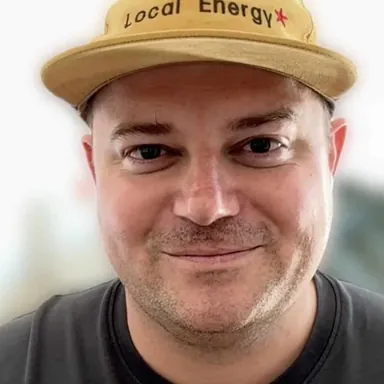
Peter Brecht
Peter loves bringing out the best in people. He lives in California and insures high-risk industries.
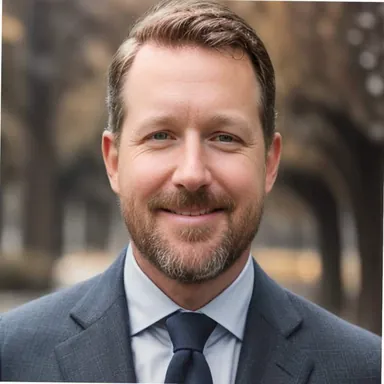
Wade Spear
Wade is an upstream engineer with a knack for asking and answering great questions. He lives in Oklahoma.
Transcript
Show the transcriptHide the transcript
Peter Brecht00:00
We, so, so we, I don't know, I don't know if I told you the backstory, but I was on LinkedIn and scrolling and this guy, Justin kept showing up like day, day 30 of posting a day for, it just kept going and going. And I was like, I got to talk to this guy. Like that's a unique thing to keep up. And Justin, how many days are you at right now? What's your number?
Justin McBroom00:22
We're approaching 100. So it's, I kind of flipped it on its head this past weekend. Instead of continuing to count up, I'm kind of counting down to the end of my transition. So I think it's like 44, 45 days left, but I'm gonna do a special post on the 100th day.
Peter Brecht00:24
Okay. All right.
Wade00:25
Okay.
Peter Brecht00:39
Okay.
Justin McBroom00:47
To kind of celebrate all the connections and opportunities that I've made over the first hundred days, right? So yeah, it's been a fun journey so far.
Peter Brecht00:55
Yeah.
Wade00:55
That's
Awesome.
Peter Brecht01:00
Awesome. Well, we'll all kick this off and we'll start recording or officially, kind of get into it. But so and wait to for backstory and I might share this, but Justin, you're on the production side, right? OK.
Justin McBroom01:13
Yep, ProdOps
Background now kind of more on the data side, but yeah, definitely ProdOps history.
Peter Brecht01:20
Perfect. And we're gonna avoid any specific employer information, et cetera. We're just gonna talk general concepts and stuff like that. And at the end, we'll direct people to connect with you through LinkedIn or any other thing else about it. Okay, cool. Awesome. All right, well, here we go. Hey, welcome to Local Energy. This is Peter Brecht. I'm here with Wade Spear and our guest today is Justin McBroom. Justin, how are you doing today?
Wade01:20
Okay.
Justin McBroom01:31
Yeah, yeah, that'd be great.
Alright,
Doing great guys. How's everybody doing?
Peter Brecht01:48
Awesome.
We're doing great. Just another day above ground, right? And Wade's out there shooting some plays today. So most jealous of him, I think. Yeah, it is. It really is, though. Justin, where are you located?
Wade01:56
Enjoying Oklahoma weather. It's beautiful right now. Best time of the year.
Justin McBroom02:04
I'm in Houston. So they say it's gonna get cold here, but we'll see how cold that is.
Peter Brecht02:05
Okay.
Hahahaha!
Wade02:12
What is cold? Is that like 75
In Houston?
Justin McBroom02:14
Yeah, yeah, 60 with humidity makes my bones chill now, so.
Wade02:17
Now you.
Peter Brecht02:22
Awesome. Well, Justin, so before we get into any of the specifics, we'd love to hear about you, what's new and exciting in your world. And I know we saw you on LinkedIn and you've been posting religiously, kind of doing a countdown of sorts, which I really enjoy reading. And I was like, this is so unique. I got to talk to him. So here we are. But give us some backstory about Justin and who you are and what you do.
Justin McBroom02:48
Yeah, yeah. I'm petroleum engineer, work with an upstream operator and they were acquired last year. So I've been on this kind of extension transition process and I had kind of six weeks left and decided I'm going to start to post and expand my network on LinkedIn. And I've since extended my transition.
But yeah, I'm approaching 100 days of posting. My network was really around the company, 17 plus years. That doesn't matter so much anymore when you're, when you find yourself looking for a job. So I thought, I better go out there and start to beat the ground a little bit. So LinkedIn was kind of the media of choice so far. I mean, it's working in such that you guys found me.
Wade03:29
Right.
Justin McBroom03:47
Right, continuing to do that. Other than that, getting geared up for the holidays and trying to find the next opportunity in oil and gas.
Peter Brecht03:48
Yeah, yeah.
Awesome. Just real quick, kind of like to kind of press on that a bit. I work for a small independent company myself, right? And I know everybody by name, everybody, every single person in my company, there's 32 of us, I can get on a zoom call and everyone's face is on the same screen. But when you're in such a, when you're working with a larger organization, there's the whole concept of like networking, you got to network within your own company to find answers and work together and all this stuff.
I've never been in that sort of environment necessarily. I've always had smaller teams. But what's it like working with maybe all those resources or the ability to reach out to somebody? Has that been beneficial for you over the last 17 years? Or are you looking for something now that maybe is different entirely?
Justin McBroom04:46
Yeah, I didn't maybe appreciate it until it was gone. But, after kind of 17 years, I had found myself, I was never further than one person away from an answer solution. So if I didn't know directly who to go talk to, I knew who would know who to go talk to. So it was just a matter of finding that person to say, I know it's not you, but you know who it is. And so
That really was beneficial for getting things done. Less bureaucracy, even if you were supposed to fill out a ticket, you just followed up directly with the person that was gonna fill the ticket and say, hey, I need this. But it also allowed people to find me as well. So the things that I was doing in the company, if they needed help, they would be directed to me, which is...
Peter Brecht05:21
Mm-hmm.
Justin McBroom05:42
A great place to be in when you're trying to help support operations and solve problems. If they don't know you exist, then how do you help them? Right? Yeah, I didn't appreciate it as much as I do now. And when I think about what's next, having that environment, mid to small size, I think is where I can make the most impact without getting kind of bogged down in
Peter Brecht05:52
Right.
Yeah.
Yeah.
Justin McBroom06:11
Process and bureaucracy.
Peter Brecht06:13
Gotcha. Yeah, absolutely. Wade, you work for a couple large companies too, right? I mean, over the years, and I don't think you're with such a large outfit now, but there's pros and cons to both,
Wade06:19
Yeah.
No, yeah.
100%, 100%. You gotta find which one you fit in better at or, even the culture and everything between the different companies is just a huge part in kind of how you fit. You know, one question I got for you, Justin, is, you you said that the company you worked for was acquired last year. You're kind of going through a transition process still. How is that, that's kind of a drawn out process. I mean, what...
A lot of people have gone through it. I've been through bankruptcy with the company. I've been through a sales process that was much shorter than that with it kind of being extended. You've had time to think about it and kind of live through it. What's the do you have any like advice or kind of things that you've taken away from it that maybe you'd share with people? Because I know there's it's always difficult going through that situation. And I was always just looking for any kind of advice I could get.
Justin McBroom07:18
Yeah, I've always viewed it as a kind of in between, right? There were really three options. It was kind of you're out right away, you get brought over to the new company or you're in a transition, right? And it's given me an opportunity to kind of know that definitive end date, right? When this stuff happens,
It's anxiety that people go through of the unknown. And so it's given me time to consider, in the last year since this has happened, it's a little more clarity on what I look for next. I hadn't created a resume in like 19 years. I was in college the last time I filled out a resume. Right. So it's given me an opportunity to
Wade07:49
Mm-hmm.
Right.
Justin McBroom08:15
Reprepare myself to go out on the job hunt It's also given me an opportunity to network look around understand what I do and don't like and For a lot of people depending on what you're gonna do. It's an opportunity to get ready for what's next whether that's a pivot Continued education upskilling, you know looking for that kind of next thing. So Yeah, it's been
Fun, I guess, relative to being at home and having to worry, still drawing a paycheck and having benefits while kind of we're waiting for what's next.
Wade08:54
Right.
Peter Brecht08:57
Yeah, yeah. Gotcha. On the production side... sorry, wait.
Wade08:58
While looking. What's the market look like out there right now, specifically in Houston?
Justin McBroom09:06
I think we're just in that Q4 timeframe where things are kind of slowing down, right? You're probably gonna wait for headcount to get added on next year's budget. So I'm seeing different things pop up here and there, but oil prices aren't helping anybody right now. So I'm...
Wade09:07
I just...
Justin McBroom09:32
Kind of expecting to wait till kind of Q1, Q2 of next year for things to figure out where they're gonna go. It's not hot, but it's not cold is what I would say.
Peter Brecht09:47
Gotcha. So kind of pivoting over and talking job and career into the oil and gas side of production. I don't think we've ever, we haven't talked to anyone on the production side yet, have we?
Wade10:02
I mean, I, one or two, but not really focused on the engineering side, especially.
Peter Brecht10:06
Heheheheh...
Okay.
Yeah, yeah, exactly. Justin, look, I look at what production does as kind of maybe off the radar a little bit more. I don't know, for some reason, it's just as critical as anything else, but it feels like it's a little bit off the radar. Could you maybe walk us through a day by day of what production is? Kind of give us the one-on-one of that life and what you're doing.
Justin McBroom10:36
Yeah.
Maybe I'm biased because I was in production, but I felt like we're the actual operations, right? Everybody else was just getting ready for us to do our job, right? You drill the well, you complete it, and then you hand it over to production and they have to deal with it for the next 30 years. So it's really about getting the hydrocarbon
Peter Brecht10:47
Right.
Right.
Justin McBroom11:05
Out of the ground and to market, right? So managing choke strategy on the flow back, installing artificial lift. So you kind of take ownership of it at the sand face, so to say. So you've got the down hole equipment, getting it up to surface, managing your facilities.
Depending on the organization, you you might be making the call outs to have oil hauled or water hauled depending on how small or big your operation is so On the kind of engineering side is The performance and optimization of the wells, right? So do I need to work over? To replace hole in tubing or Put a different artificial lift on it
Peter Brecht11:40
Thanks
Justin McBroom11:58
Do I have skin damage? Chemical programs. It's all about the reliability and making the most of whatever product you're producing and trying to manage the cost along with that. So yeah, it's really that final step from getting it out of the ground to market and trying to do it. I had a boss tell me one time that
Peter Brecht12:11
Mm.
Justin McBroom12:26
Only geologists add value with new finds and the rest of our jobs was to avoid devaluing it from that point. So we try to do it in the safest, most environmental and cost-effective way. So you can ruin margins by spending too much money. It's LOE or OPEX is a big focus in that area.
Peter Brecht12:38
Mm-hmm.
Justin McBroom12:57
But yeah, it's really about the well all the way to sales and making sure that you're getting the most out of the individual well and capital investment you've already made.
Peter Brecht13:14
I'm sure Wade has some questions too, but whenever production takes over a well, drilling leaves a hole in the ground and all this whole thing. And are there certain things that maybe you come across that you're like, man, like this is so common. I wish this wasn't the case. There's gotta be a pattern somewhere, right? In terms of, inheriting something that might feel like a problem child, but then you got to turn it around anyways.
Justin McBroom13:36
Yeah, drillers, they're the bane of our existence because they get rewarded for how fast they can drill. And I know Wade's on that side and he's going to appreciate this, we've got to work within the vertical to the kickoff point. The thing that we're not doing, at least
Peter Brecht13:52
Careful now, careful now, Wade's a driller, alright? Yeah, yeah.
Right.
Justin McBroom14:08
That I'm not hearing about is like pumping around the curve and stuff. But when you think about a well in 3D, it just doesn't move side to side, right? It's actually like a corkscrew, because it's moving in all directions. And so they usually measure that deviation and dogleg severity. How bad are you changing from one survey point to the next?
Peter Brecht14:22
Mm-hmm.
Okay.
Mm-hmm.
Justin McBroom14:36
The straighter you could give the vertical, the better we're going to have success in various forms of artificial lift. Right? So when you think about rod pumps, you're taking a string of rods and moving it from surface to maybe 10,000 feet. And where you have that deviation, your rods and tubing are going to lean against the side of the well, and they're going to sit there and rub.
Peter Brecht14:45
Mm.
Justin McBroom15:05
And so you're gonna have tubing wear, holes in tubing, friction. So that's one of those that the straighter the hole, you can give us a better. And the other one is casing size. So the bigger the casing size, you can leave us the more options you have. Seven inches always preferred, but they might stick you with a
Five inch or five and a half, 32 pound, and your ID, what's actually inside the hole, starts to restrict what you can put in or lead to costly fishing jobs later down the road. So those are just some of the things that you live with, but then you try to inform and influence future decisions made as the, think about the life of the well.
And again, somebody is like, if we can reduce capital, that's a better thing, but you can quickly spend it on workovers and eat up that capital savings along the way.
Peter Brecht16:07
Yeah.
So talking about the casing size, Wade, you kind of talk about casing size and the bigger the casing, the better. I mean, is it complicated, I guess, from like a drilling aspect, right? And I'm just trying to understand kind of the movement through, but when you're putting in casing, is that like predetermined or can you put larger casing and just cost more? Like what are the variables there to determine what that casing is?
Wade16:42
I mean, I think if you're doing your job right, you're balancing a number of different things. One of them is working with the team.
Peter Brecht16:46
Fight. I know he's...it's
Justin McBroom16:48
We can't hear you, Wayne.
Peter Brecht16:50
Alright, yeah.
Wade16:53
I'm not muted.
Peter Brecht16:54
Sorry, Wade.
Wade16:56
Don't worry.
Peter Brecht17:00
I know, so whatever he's saying is actually recording, but it's not coming through on the audio.
Wade17:04
Okay.
Peter Brecht17:07
It happens.
The cool thing is on post all of our editing on this is like, it's incredible. I can make it look like it never happened. It's just impressive. All right, we lost Wade there. It happens. It's part of it. It's all right. All right, so we'll just kind of skip over that. Casing's a big deal. The size of the casing, I guess.
Wade17:21
Can you hear me at all?
Peter Brecht17:33
Kind of talking about like getting into that. Production would also be responsible for, you you obviously do an artificial lift, you're probably doing, some water flooding, steam flooding towards the end of life. I mean, you're literally taking this and trying to get as much out of this well as you possibly can, right? And at what point, so, I talk with a lot of operators that maybe have, man, we'll talk to people that have, six wells all the way up to, maybe 500 to a thousand, and their teams are pretty small.
Don't have a ton of people that are with these, so by the time you get to being a larger producer, you start to grow in size pretty substantially, but I mean, how many wells is a larger producer like controlling, I guess? It's gotta be in the tens of thousands.
Justin McBroom18:17
Yeah, it's
Depending, but yeah, I gotta think of it by how much acreage do they have in each basin? And then what is their spacing methodology? So how many wells are you drilling per drill spacing unit, right? So are you, and then.
Peter Brecht18:41
Okay.
Justin McBroom18:43
How many formations or target zones do you have in that lease? I'm trying to think. We probably had probably between three and 4,000 wells, I think, US onshore. And it's interesting because it used to be that everything was operated, gloves on, steel.
Peter Brecht18:57
Okay. Yeah.
Justin McBroom19:12
By field operators. And as you grew in well count, you had to grow in head count. So when we were doing planning, it's when you get to a certain well count, you have to start adding head count. The thing that has somewhat changed that and is continuing to evolve is what they call operator pump by exception. So with technology, you can put
Peter Brecht19:14
Mm-hmm.
Mm-hmm.
Okay.
Hmm.
Justin McBroom19:41
Devices out and help monitor the things you're worried about on location whether it's video or bringing in measurements through SCADA and instead of having to have a person physically go out to location every day things are coming back through SCADA and you can actually start to create the exceptions and then you're just notified when you need to take action so
Peter Brecht20:10
Hmm.
Justin McBroom20:10
That's
Actually helped kind of expand the amount of wells per person. So as you think about continuing to grow, you don't have to add as many people, but the data is then notifying you of when those people need to act and actually help driving their response. So we had something that...
Would actually understand what task needed to be complete, who was in the area, what priority it was and what skillset they had. So we could actually dispatch the right person to go take care of that job. And that's been able to, again, improve kind of the manpower required to do some of this.
Peter Brecht20:52
Wow.
Okay. And is that like a specific vendor or software program or is that something you guys develop in house or like co-develop? Like how does something like that come about?
Justin McBroom21:10
Yeah, it was really taking a platform and then building off of it to our specific needs because every operation, even with the same operating and company is different. It's what are your wells artificial lift? Do they go to single well batteries? Do they go to central facilities? Do you have compression? There's a lot of
variability in that. And then you've got things like emissions and regulations that you have to consider from each state or where you're operating maybe on federal land. And so it was kind of customizable to the operation that it was being applied in. But at the end of the day, it's the same methodology, just tweaking to make it work for each operating area.
Peter Brecht21:58
Okay.
Okay, something that comes to mind whenever I just remember this a couple years ago, I was talking to a producer. He had about 300 wells or so. And it's just him, he had two engineers, had like, I don't know, five or six pumpers, like all over West Texas, East Texas. And one of his tanks got...
Hit by lightning and it just exploded and it was just disaster. Obviously, not prepared for that, insurance is there, the whole thing you gotta clean, it's just a nightmare, right? When those things happen, and I'm not even talking just about lightning strikes, but there's obviously things that come up immediately that need like, hey, this is a big priority, we need to get this handled right away. Do you guys have companies that you work with to bring in for responsiveness and things like that? That part of, that's gotta be part of just operating a normal company.
I'd imagine especially when you're talking multiples of you know that 300 you got you know 3,000 4,000 5,000 6,000 wells it becomes you know the potential for something happening Increases right just because of the numbers, but what's that look like in terms of like you know? Is it happen or is that uncommon and I just happen to you know call the right? That is just you know that is just that one guy. I don't know
Justin McBroom23:22
Yeah, no, there's stuff that happens. I won't say catastrophic or, there's a spectrum of what I'll call events. And the thing is that we would all go through incident management. Depending on the severity of the event is how big you stand up your response team. So, but you have set command.
Peter Brecht23:26
Yeah.
Yeah.
Sure.
Okay.
Right.
Justin McBroom23:52
And you've got incident management that starts to go into place and you start to consider all the things that are around that. So the safety of the people and the environment. And so do you need to get folks out there that are monitoring air quality, protection in the community and those surrounding kind of the operating areas, stopping the event?
Peter Brecht23:52
Mm-hmm.
Okay.
Mm-hmm.
Justin McBroom24:20
Right, so you definitely from a control perspective don't want to continue making things worse. So making sure things are shut in and then becomes the cleanup, right? Obviously we do a lot of things depending on where you're operating to prevent the further escalation. So take a tank for example.
Peter Brecht24:30
Mm-hmm.
Okay. Yeah, yeah.
Right?
Justin McBroom24:49
They're typically put in berms or the pad is burned so you have secondary containment. So you don't want a leak or anything to happen where you know that is going to spill off pad and continue to go and make other impacts. So I think it's a progression that tends to happen. There's the little stuff that I'll say.
Peter Brecht24:55
Mm-mm.
Right.
Mm-hmm.
Justin McBroom25:18
All the way to kind of the bigger incidents that require a bigger response and cleanup can be months of restoration and getting everything back to where it should be. Yeah, it really is on a spectrum. There's little things where a flare will have an upset and spit a little fluid and you got a small fire on the ground and
Peter Brecht25:29
Mm-hmm.
Yeah.
Mm-hmm.
Justin McBroom25:46
If it
Can be managed, then it is. I think the thing that I appreciate about kind of the industry is we take these things very seriously and it's the investigation post fact to try to then prevent the next event from happening, right? So it's not good enough just to take care of it, but how do we start to prevent it? And that's one thing I really appreciate is
Peter Brecht26:08
Right.
Yeah.
Justin McBroom26:17
The effort and time and money involved to take care and prevent the future incidents from happening.
Peter Brecht26:24
Totally, and if you look at, I'm sure you guys are getting so much information from like SCADA and all that, but on top of that, there's probably more things that you're constantly adding or improving in. Like one thing I've heard about, and I don't know how common this is, I'm sure it is, but like LIDAR, right? You want to kind of see, how, what's the emissions and you can spot problems coming from a mile away if you just have the right sensors kind of built around your facilities too, right? Yeah.
Justin McBroom26:50
Yeah, no, I mean that's one
That that has gained a lot of attraction and probably the last
Five to 10 years is kind of the submissions. And prior to that, again, you might have to have somebody go on location and see that a tank hatch was left open. Where now we've got technology, we're flying drones on inspection paths. And as soon as the drone identifies something, there's a process flow to get somebody involved and react.
There are some companies that will put out cameras on location. And so again, that is post-processed to look for potential leaks or emissions. And then that will trigger a task for somebody to respond to. Yeah, there's other things like unlit flare. So for...
Peter Brecht27:29
Mm-hmm.
Thanks.
Justin McBroom27:56
For the viewers that may not understand, some of this oil that sits in the tank is kind of, it's like gasoline. If you pour gasoline in a cup, there's vapors that come off of it, right? It's volatile. So this oil sits in a tank and there's vapors coming off of it. So you typically will have a low pressure flare. And that's lit by a pilot. Well, there's times that the pilot goes out. So how do you know that the pilot's out?
Peter Brecht28:18
Okay.
Justin McBroom28:26
And you're not burning that methane. So we put in things like thermal couple readings and other stuff to monitor the temperature of the flare and to make sure that things are set up. Yeah, as our understanding of all this evolves, so does our approach to deal with it.
Peter Brecht28:48
I wish they would put a thermal sensor on my hot water tank. I live in an older house and the flare goes out. I mean that would be so helpful instead of like, man, okay, it's all cold and frozen again. I'd like to have that on my house. Yeah, I totally would though. I'm not even joking. That would be helpful.
Justin McBroom28:58
Yeah, I'm sure we can get a ThermoWell installed, no problem.
Peter Brecht29:07
That's awesome. Yeah, we're one of my favorite interviews that we've done so far was a company called Unmanned Operator and they they fly drones over pipelines and look for stuff and then just it just kind of opened my eyes to the technology that's out there and like the implementation is incredible. So you and I had talked briefly about, secondary and tertiary recovery. I wanted to kind of talk about that a bit if it's OK, just, talk, get in a little more detail there. One of my
The question is why would a company choose to use a water flood over a steam flood? Is it really just based on the chemistry of what you're trying to draw out?
Justin McBroom29:47
Yeah, when you think about secondary or tertiary recovery, you're trying to get another percentage of the kind of oil in place. Typically water flood is what you'll see in say the Permian Basin. I mean, they've been water flooding that for, God, I don't know, 50, 100 years, right?
Steam tends to be more for your heavy oil. There's, the grading of oil is based on API. And the higher the number, what we would call the lighter the oil is, and the lower the number, the heavier it is. So you get down to kind of like a tar or almost asphalt. And so it's not very mobile.
Peter Brecht30:23
Okay.
Yes.
Mm-hmm.
Justin McBroom30:47
And so when you think about that, adding the heat helps reduce the viscosity and help it flow to your producing well. So that steam flood is typically for the heavy oil. You'll hear about in Canada doing a sad D where they're using steam to generate heat or even in situ where they're kind of
Peter Brecht30:58
Okay.
Hmm.
Justin McBroom31:17
Creating a fire down hole to get that to kind of a melting point and change the viscosity to be able to flow. But yeah, all that comes with unique problems and its own set of issues as you reach that phase of a field. The other one worth mentioning is CO2 floods.
Peter Brecht31:21
Yeah.
You
Justin McBroom31:46
So you've got water flood, steam flood, and then you've got CO2. And the thing about CO2 is it's helping add energy back into the reservoir. So as you produce, you're depleting the pressure that was naturally in the reservoir. So it's kind of like a balloon and it kind of deflates. But the CO2 is actually miscible in oil.
Peter Brecht31:47
Okay.
Hmm.
Justin McBroom32:16
So what it'll do is actually go in and swell that oil molecule and help it reduce the tension and free up from the pore space, as well as give it some energy to drive back. So there's quite a few CO2 floods in West Texas. And then I actually just saw
Peter Brecht32:28
Okay.
Hmm.
Justin McBroom32:44
I didn't read the article, but I came across today that I believe it's core in North Dakota is going to start looking at CO2 flood there, I believe. So that's going to be interesting. I don't know how many people have pressed that at scale for what I would call the unconventionals yet. It's been more of the conventional play.
Peter Brecht32:51
Okay.
Yeah.
Okay, so it's interesting, you use CO2 floods, but then there's also carbon capture sequestration, which is a whole nother topic, but that's really trying to store carbon underground, right? That's CO2. So it's a completely different application of the similar concept.
Justin McBroom33:20
Yeah.
There's
One company and I'm not going to say any names, but they use a lot of CO2 in their operations to the point that they're constantly looking for CO2. So I believe they had plans to actually build some sequestration to actually help pull CO2 out of the atmosphere. And it's not out of the kindness of their heart.
Peter Brecht33:28
Yeah.
Mm-hmm. Okay.
Hmm.
Justin McBroom33:52
There there's a benefit for them. So they're not just drilling down into a deep storage And locking it away for generations to come. They're actually trying to use it in their ongoing operations. So Yeah, there's a mix there of Again, it has to be a value for somebody to go after it and you know They use a lot of co2 and they actually drill wells to source co2
Peter Brecht33:53
Right.
Mm-hmm.
That's fascinating. Huh. Okay.
Justin McBroom34:22
Which sounds counterintuitive, but yeah, I think where we can mesh those two together We get a great synergy, right? So as that technology continues to come along I think finding a place to use it which again lowers Lowers the cost and helps our financial and energy freedom in the US. So
Peter Brecht34:22
Okay.
Yeah. So there's two questions I have and I'm more just thinking out loud here, but I mean the implications of that is I wonder how that company is using the 45 Q tax credits because if they're getting credits for the carbon sequestration, but then they're turning around and using the carbon for another purpose. Wonder if they can still take advantage of it. And the second thing is those carbon, the CCS wells, I wonder if, we're going to, store all this carbon.
And then 10 years from now, we're going to be like, my gosh, like we need to go, we need to go pump some, some hydrocarbons from this thing. Cause it's, full of it. I don't know. Might be an interesting thing to see happen.
Justin McBroom35:26
Yeah.
Yeah, I think that that space, our posture was a monitor. We weren't diving in at first and anything. Was kind of, let's see how this plays out. But the skill set in kind of the oil and gas space plays right in. So evaluating the geology of the zone you would like to store it in.
Right? Does it have a cap or a trap where it's not going to migrate out? What's a porosity permeability? How much space is there? Make sure you don't reach high pressure frac gradient. All those types of things dealing with the facilities of that is really where the folks in oil and gas can come to play in that industry. I think it's just going to be down to
How do people monetize it at a level that they're willing to get in and make those capital investments in it?
Peter Brecht36:31
Yeah, absolutely. I don't know if it's like the rest of the tech world, right? It's like people want to either be first or they want to be better than the first, right? And I think in this case, like kind of watching and seeing what happens and especially because there's so much litigation and, guess just conversations from the government level and like, how are we going to get fun? It's good to be, I think, a second.
Kind of the second person to play the game, right? I don't know. I could be wrong there, you never know, but.
Justin McBroom37:00
Yeah,
One of the interesting things, and I don't know if you've seen this, that's kind of happening around the space is trying to draw lithium out of produced water. Have you seen any of the news on that? Yeah. So in the produced water that is just in the formation along with the hydrocarbon, there's
Peter Brecht37:17
I have not seen this, no, not at all. Okay?
Justin McBroom37:30
Elements, right? There's certain areas that have a high concentration of lithium and they have the technology to like strip that lithium out and as lithium is used for all of the electronics and batteries and from the US perspective, we don't have an abundance of that and so they've been looking and there's actually
I think a couple of companies are going after it. And I can't remember the formation, but it runs kind of, I think Arkansas down into some of the East Texas area. I don't know if it's a smack over what it is, but it has high lithium. But we're at a point where you kind of have to define some things as in who owns that lithium.
Peter Brecht38:11
Okay.
Justin McBroom38:28
Is it mining versus a production operation? How do you lease that? And is it a waste product? So if we produce it as a waste and somebody else takes it and strips a mineral out, does the royalty owner need to get paid for that? And so there's a whole lot of things that need to get kind of.
Peter Brecht38:37
Yeah, well... Yeah.
Mm-hmm.
Yeah, exactly.
Justin McBroom38:54
Set out in the way we're gonna approach that. But yeah, that's something that I think we're gonna see continue to emerge and be in the conversation in the space. So that's gonna be interesting to watch and see how that unfolds.
Peter Brecht39:04
Hmm.
I'm curious, I'm gonna be excited to see some mineral bro memes on that exact topic here in the next couple of weeks then. It's gonna happen. And I mean, it's kind of like, you you mentioned talking, gas injection and migration, and you got to figure out like where it came from, right? I mean, there's all these, I think,
Justin McBroom39:15
Yeah. Yeah.
Peter Brecht39:29
Like second and third level conversations that happen that most people wouldn't even think about until you're actually in the act of doing it and like kind of, in the weeds really, right? So that's fascinating. I'll have go look up more articles on that particular topic. So I know we're getting there on time. How are you doing on time, by the way? We're at 40 minutes right now.
Justin McBroom39:39
Yeah.
Yeah, I'm good.
Yeah. Yeah.
Peter Brecht39:51
Got a few more? Okay,
Cool. So I just had a couple of questions and these are things that, just to kind of broaden. But what's a misconception about production that you would like to, dismiss or maybe take off the table entirely? Is there something that people think about that just shouldn't be there?
Justin McBroom40:11
Yeah, I think the...
The one that may come to mind is...
Our impact to the environment. I think there's times that I think people think that it's like jet clamp it and you go out and you shoot the ground and oil starts, spewing up and that the environment is secondary to our
Peter Brecht40:42
Yeah.
Justin McBroom40:50
Our goals to produce and that's just really not the case. I'm not going to say that there's not a bad apple in the group, but if you actually go out and look at a respectable operator's location, it should be very clean, well managed, well kept. Our goal is to keep product in the pipe. And the reason I say that is my
Peter Brecht40:57
Mm-hmm.
Yeah.
Justin McBroom41:19
My daughter has asked me before, how do you make sure it stays where it's supposed to go? I think they think it just kind of flows out on the ground and we dig a ditch or something, and it fills up in a pool. So everybody takes the environment very, very seriously. The people that are working in the oil field are the people that live in these areas, right? So it's their backyard.
Peter Brecht41:30
Yeah.
Hmm.
Mm-hmm.
Justin McBroom41:49
You're not going to tell them that they need to take care of their property better than them. And that's a big thing for everyone. The thing that I think that I've got to give appreciation to people that work out there day in, day out is we're not working in Southern California with beautiful weather. You're either working where it's really cold or really hot most of the time. And so
Peter Brecht41:50
Yeah.
Mm-hmm.
Yeah.
Yep.
Justin McBroom42:19
It's not an easy job. And I got a lot of respect for the guys that get out there and do it day in and day out because you're out in the elements. I've noticed I've lived in Texas, Wyoming, North Dakota, and the people that can handle the cold can't handle the heat and vice versa. And so your body acclimates, but yeah, they all do an amazing job.
Peter Brecht42:27
Yeah.
Right, right,
Mm-hmm.
Justin McBroom42:48
Hard work, great
Peter Brecht42:49
Okay.
Justin McBroom42:49
People, care about the community and the environment. And we try to do the best job that we can. As a corporation goes, you can say anything you want about corporations and capitalism, but the people are wonderful people. Yeah.
Peter Brecht43:12
Mm-hmm. Agreed. Yeah.
And I love your point about,
Gosh, is like, that hit home for me is like the people that are working in the oil field, it's their home, right? I'm in Southern California, oil and gas is not, people don't think of this, they think of, Bakersfield and Taft and all that, yes, but we've got so many natural resources here in California. And right now, I'm sure you've seen the headlines about stable offshore and all these things that are happening.
So my wife surfs, surf, my family surfs, you we love going up to Santa Barbara, we love going to Carpinteria, you got Rincon there, all the way down Huntington Beach. And I'm telling you, we've got these natural seeps and like, I'm such a huge proponent of like, let's get Sable back online, because it's gonna just take these tarballs offshore, right? And like, I'm gonna be able to like, get out of the water and like, it's a silly thing, but like, if the surfing community is behind...
you know oil production for sable and there's like such a there really is a growing number of us that are looking at these Nonprofit organizations that are trying to stop it and you know You know talk against it, but it's like no like we the people that are in the ocean every day actually want to see you know change It's like it's kind of funny. I don't know. I see you such a
A relationship there and like no we're not working we're out there playing but it's the same thing right I mean you work you play you live energy is part of life and we need that so I just love that correlation I think you just connected some dots for me that that that you know I had to together before so thank you cool I got one last question and you know and it's I I'm a I think that
Justin McBroom44:39
Yeah.
Yeah.
Peter Brecht44:59
You 10 years from now, we're going to, say, oh, in 10 years, we're going to run out of oil. Like this conversation never ends. And, but my personal belief is like, refraction is going to become a big thing as we get more data. I think we're only extracting, I've heard a conversation, we're only taking like 1 % of the hydrocarbons out of the ground, you know? And so it's like, we're to go back all these wells in 10 years and try to, extract more. But, what do you think we're going to be saying in the industry 10 years from now? Not necessarily about reserves, but you know, if you had to kind of
Forecast a conversation. What do you think we're going to be talking about in 10 years?
Justin McBroom45:33
That's a good one.
I think it's gonna continue to be driven through technology. And it's one of the things that I think maybe there's a couple of people that see what's next today, but the real changes in technology almost catches by surprise. But there's...
Everything becomes economics at a certain point. So the higher the price of Oil the more you can spend to go get it. And so there might be some things that are Technically feasible but economically don't make sense today so as that continues to spread and grow you can look at applying more technology going to get the uneconomic
Peter Brecht46:25
Mm-hmm.
Justin McBroom46:36
Reserves, I think it's going to continue to be a technology and innovation conversation. I personally think that there's going to continue to be maybe a focus on the re-globalization for lot of companies that have kind of just been focused on these US unconventionals.
Peter Brecht46:46
Mm-hmm.
Okay.
Justin McBroom47:05
There's places that have done their conventional or are doing their conventional, but where do you start to go and look at their unconventional space? So geopolitical climate is going to play a role into who's willing to invest in what countries and continue to kind of fill the global demand. But I think we're gonna be with the prominence of
Peter Brecht47:29
Mm-hmm.
Justin McBroom47:34
AI and technology continuing to make people safer, protect the environment and ultimately try to get more out of the ground. I think it's going to be around technology. I actually heard an economics professor one time say that we'll never run out of oil. And it's kind of this paradigm that
The last barrel of oil would be so expensive no one would ever buy it. So you'll always have one barrel left, right? But ultimately I think we're, until there's a major change in the way that we generate power, we're gonna be on hydrocarbon. And you can call it a transition.
Peter Brecht48:11
Got it. Yeah.
Justin McBroom48:29
To whatever's next, but we don't have that whatever's next today But yeah, we're gonna continue to need oil and gas long into the future so
Peter Brecht48:33
Yeah.
Totally. Man, that's such a thoughtful way to put it. We're going to be talking to some folks in the next couple of weeks that are on the grid side, right? So we're all producing, right? And then they're taking it and then they're distributing it to users. And it's interesting in kind of researching and getting ready for those conversations. It's like, yeah, oil and gas is always going to be there, but we're going to have nuclear, you're going to have hydro power, you're going to have wind, all these things. But
Nothing is ever fully gonna take over as the one source and honestly, that's a good thing, right? We wanna have options. We don't wanna put all our eggs in one basket. Man, this has been such a great conversation. I've enjoyed every minute of it. I'm kind of bummed that Wade wasn't able to stay on, but he's out there shooting clays. Give us a handoff, Justin. Where can people find you? Where can we meet you? Where's the best place to go?
Justin McBroom49:25
Yeah. Yeah.
Yeah, try to connect with me on LinkedIn. I'm active. You can catch my series continuing to run until I land my next role. Go back and reread some of the series. Some are funny videos, some are certain takes on producing, and it's kind of a stream of consciousness every day. So Justin McBroom on LinkedIn, connect.
Peter Brecht49:41
Yeah.
Yeah.
Perfect.
Justin McBroom50:01
And look forward to meeting other great people.
Peter Brecht50:05
Yeah, well, I'll put a link to that in the show notes. So if you want to connect with Justin, go do that. Man, best of luck to you in your next step. And we'd to have you on again once your next adventure begins. Yeah. Thank you guys for joining Local Energy. We'll see you again next week. All right, man, that was fun. I learned so much from you. This was like you have like all these great people in your life that have given you.
Justin McBroom50:17
Sounds great.
Peter Brecht50:32
Like these little insights, you had your boss kinda giving you some ideas on things and then the economics professor, like all of these influences in your life, it's really cool to see you've taken it to heart and just kinda keep running with it, you know?
Justin McBroom50:46
Yeah,
I look for every opportunity to learn. I always tell people I reserve the right to change my opinion on something. Is it the Duncruger effect? That the less the more you think you know until you learn a little bit more and then you realize you don't know anything? And I try to avoid that and get myself over that hump.
Peter Brecht50:57
Yeah. Yeah, yeah.
Yeah.
Yes. Exactly.
Justin McBroom51:15
To know enough where I know I don't know what I don't know.
Peter Brecht51:19
I feel that way. I think I used that exact thing yesterday with my wife in the car. We have two young kids and I'm like, thought I knew, just as soon as I thought I knew that I was parenting the right way or something, it's like my son does something completely different to my daughter and it's like.
I gotta go think about this again, like how do I want to how do I want to train my children and my kids to be good people and work hard and have fun at the same time, right? So it's true and everything in life, but It's a fun time. So well, we'll have you on again. Man, I'd love to stay in touch And actually, let me hit stop. I'll stop recording here. We
Justin McBroom51:54
Absolutely.