Summary
Calyn Taylor tells Peter and Wade how factoring works, with a company buying a contractor's invoices and advancing money up front for a small fee. She explains how a 30 day review plus 90 day MSA terms can stretch payment to 120 days. On produced water, Calyn notes only 10 percent was usable after recycling and raises bioremediation, while Wade recalls recycling pits in the Texas Panhandle. Calyn, now in Denver, plans a master's in systems engineering at Georgia Tech and has sent 193 LinkedIn applications since September.
Hosts
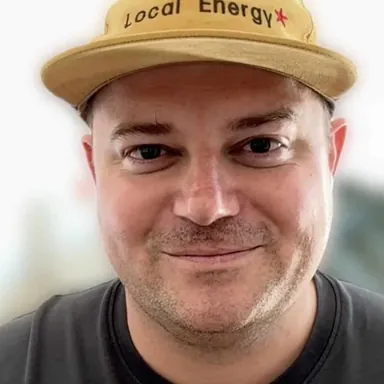
Peter Brecht
Peter loves bringing out the best in people. He lives in California and insures high-risk industries.
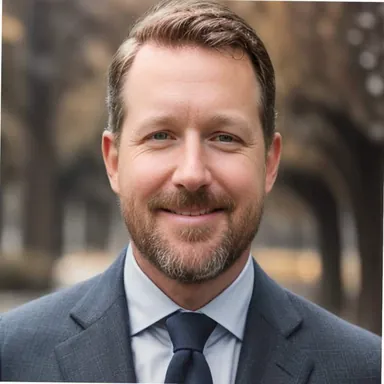
Wade Spear
Wade is an upstream engineer with a knack for asking and answering great questions. He lives in Oklahoma.
Transcript
Show the transcriptHide the transcript
Peter Brecht00:01
All right, welcome to Local Energy. My name is Peter Brecht. I'm here with my co-host, Wade Spear. And our guest today is Kaylin Taylor. Kaylin, how are you doing?
Calyn Taylor00:10
Doing great, how are you doing?
Peter Brecht00:12
I'm doing all right. It's unfortunate we couldn't get your camera working today. So we're just going to have a picture of you up here on the screen. For those of you listening on Spotify, won't have to, you won't, you won't be seeing that. Be hearing us talk anyways, but just been looking forward to this call. Think for like the past month, I think we planned this back in December. We met on collide. I followed you on LinkedIn. Just a lot of fun things going on in your life that you're kind of navigating at the moment.
Wade00:18
Yeah.
Calyn Taylor00:30
Yes, yes.
Yeah.
Peter Brecht00:42
But I looked at your resume and your background and you've done some things in your career that I wasn't really, I'm not really an expert in anything, but I definitely knew nothing about factoring and finance. But before we get into any of that, why don't you introduce yourself to our listeners and who you are and your background.
Calyn Taylor01:03
Yeah, for sure. Thank you so much for having me. It's really cool that somebody wants to hear me yap for a little bit. I have an interesting intersection in my past decade of career because my younger career is a little bit different, but it's heavily oriented in account executive position and factoring for transportation. You kind of look through my resume. It's a little bit spattered between like traditional transportation and even architecture. And then I was able to transition to alternate financing
Peter Brecht01:09
Yeah.
Calyn Taylor01:32
In
The oil and gas industry and that's where some of the most recent like introduction for me had really started. It was in 2023 now. My goodness. Life goes by fast. So yeah, yeah. Some of the more interesting things I think I'm interested in working on. I got some certifications this year. I'm applying for my master's in systems engineering. Hopefully start that in the fall at Georgia Tech. So super excited for those few things this next year and we'll see how.
Peter Brecht01:42
Okay, yeah. Doesn't it?
Wade01:50
Right.
Calyn Taylor02:02
Things roll about.
Peter Brecht02:04
Awesome. So what brought you into the oil and gas side? Our show, kind of focus more on that. But what brought you into that?
Calyn Taylor02:12
Yeah.
So I was I have amazing mentors in Oklahoma City that I had worked with and the factoring industry and transportation and they had shifted in, I believe, 2022 into the oil and gas industry and seeing how they could provide services there. Yeah.
Wade02:33
So if you could inform me, would you give me a rundown of like, what do mean by factoring? That's a little bit of a new term to
Calyn Taylor02:39
Yeah.
Yeah. So there's lots of different, business financing available. There's asset lending, finance, traditional bank loans, things like that, business loans, factoring, generally speaking, across the board, no matter the industry is using a company to buy your invoices for you.
And providing you a chunk of money upfront for that completed project. And then once they get paid, they're going to collect a small fee that will help run their business. It's basically a fancy advance.
Wade03:06
Mm-hmm.
Okay, I gotcha. Interesting. Yeah, that's new term to me.
Calyn Taylor03:23
Yeah.
Peter Brecht03:24
So
I could see where like if you're a contractor, chasing invoices, that kind of what is that? Are you guys doing the, are you doing the chasing part or not really? Is it still on the contractor to go get it paid?
Calyn Taylor03:36
It is on the contractor to get paid. Some companies will offer services that will help on the collection side. And there's a lot of like interwoven, parts about it. So sometimes we'll pull credit for the operator that's paying to make sure, hey, it's showing that they're actually paying. We feel good on fronting this money. May not always be on the vendors, side of the vendor may look really good, but what does their operator look like? Are they gonna pay in a certain term? Like they say they're gonna follow their MSA.
For that. So it can be kind of interesting. I've done collections on both sides, so transportation and oil and gas. Let me tell you, oil and gas is interesting when it comes to collecting those.
Wade04:08
Right.
Peter Brecht04:17
Why is that? So what's, if you
Compared it, like what are some, some like high level comparisons between the two? I'm curious, especially in the oil and gas, but like what differentiates.
Calyn Taylor04:29
Yeah, so in transportation, they have came up with the DOT and all that had came up with a lot more standardized versions.
They came up with a few years ago, I think that like, if you don't pay at 90 days, your operator or your vendor can go on to your insurance and file at 90 days that there's non-payment. And so that may push for a payment on, to the contractor that hauled that load. So in oil and gas, it's a little, seems to be a little different because MSAs may say 120 days or 145 days or whatever the term might be. Not all of them are that high. I still think it's like an average of 60 days for
Peter Brecht04:57
Gotcha.
Calyn Taylor05:11
Repay for payment from operators on average. But they can if you don't if you have a big enough balance with them that they're not the operators not paying maybe you can go and file on their lease. So there's some similar later similarities but I think with oil and gas it's a lot higher chance because if you have you have to stop operations on lease well you're not making anybody nobody's making money.
Peter Brecht05:23
Gotcha.
Wade05:34
Right.
Peter Brecht05:34
Huh, okay.
So in terms of what you're doing then, I'm imagining that there's a lot of underwriting, or I don't know, maybe I'm wrong, but I'd imagine that's primarily what you're doing. I could be wrong.
Calyn Taylor05:44
Yeah.
Yeah, yeah, so,
What I think underwriting is gonna look slightly different for each company that does this option. Of course, oil and gas doesn't have as many factoring options available. I really only know of obviously one I've worked with previously and then maybe one or two, but they're very, very different. So underwriting is your basic background check, making sure you don't have a felony for fraud, making sure that you actually own the company, driver's license.
Wade06:05
Mm.
Peter Brecht06:05
Yeah.
Yeah.
Right.
Calyn Taylor06:20
Your balance sheet and things like that and then going through the underwriting process with that. Usually it only takes like 10 days to complete or less depending on how efficient you are or if the applicant gets everything in on time.
Peter Brecht06:27
Hm. Okay? Huh.
Gotcha. Well, that's better than insurance. That's, I'll tell you that much. It takes us, it can take us like a month, sometimes longer depending on the size. Yeah. The only other company that I know and you're probably familiar, is Philip Reed. I've seen him on LinkedIn and he posted pretty cool stuff too, but I think he started his company a couple of years ago and he's the only other person I've seen that does factoring. So pretty interesting. Okay. All right. Yeah.
Calyn Taylor06:40
I believe it.
Yeah.
Well, I don't think he does factoring. Think he refers people, like he finds the best fit for operators or contractors
To find the best fit for them for factoring or lending or anything like that. If he does have factoring, I must missed it. But I think he's an excellent referrer. I don't know. Yeah, for sure.
Peter Brecht07:11
Okay.
I'm probably wrong, but anyways, shout out to Philip. Like, all right, just, think, he's just
Always in my LinkedIn feed, and I'm like, this guy's got some cool stuff, he's building cool things, so.
Calyn Taylor07:24
Yeah, he's going to be
A much stronger expert in what other companies offer and what's available for sure.
Peter Brecht07:31
Yeah,
Gotcha.
Wade07:33
How widespread
Is this? How widespread is factoring? What percentage of companies do you think are kind of out there using this on the service side? Any rough idea?
Calyn Taylor07:42
My goodness. So I mean, I've worked with.
Any industry you can think of they do factoring so like from PO factoring with apparel Or anything like that because people are gonna need product to be able to create the product to then sell or make profit So that's gonna be like that's quite a bit different type of lending, but I've seen janitorial services Construction is very heavy into factoring Those terms there will be a lot more strict because it's a higher risk item, you know Just about any industry can have factoring from my understanding
Wade07:56
Right.
Okay.
Calyn Taylor08:16
And gas industry just doesn't since it's a much higher volatile field factoring can be a little bit more of a faux pas. Yeah.
Peter Brecht08:25
Okay, understood.
And I'd imagine that interest rates going up over the past couple of years, I guess it could, it's just part of business, right? But I mean, is that, do you think that's helped or hurt? Or is it, maybe it hasn't been in effect at all just because it is what it is.
Calyn Taylor08:42
I think that's going to go back based on.
The individual factor agreement. So previously, the lowest I've seen is like 1.5 % on a fee. As long as you're getting paid within a certain term, and it's 1.5 every 30 days, or it can be like up to 2%, but that's an incredibly low percentage. You have, say you have a really big operator, I won't say names, but say you have a really big operator that always pays, but they take forever.
Peter Brecht08:47
Okay. Okay.
Wade08:57
Mm-hmm.
Greg.
Calyn Taylor09:15
Ticket to submit and they take like 30 days to review it and then you have to flip it over to an invoice and it's another 60 to 90 days for they promise to pay. Well the MSA says we'll pay it upon 90 days from invoice approval. Well then that's 120 days. Most contractors are going to be small and they need cash now and some of those companies that do that they won't even quote unquote accept factoring. So you got to wiggle around that but you know
Peter Brecht09:34
Right.
Wade09:39
Okay.
Calyn Taylor09:45
I where I was going with that. So excuse me. So I think it's really important to have those additional opportunities for companies to have cashflow so they can keep running. Looks like we lost Peter. There we go. That's okay.
Wade09:59
Okay.
Peter Brecht10:04
Alright, I'm here. Sorry about that guys. It's
Wade10:05
Nope.
Peter Brecht10:08
Rare for me to get lost. It's usually Wade that we lose. He's on his phone and it overheats and stuff, but today my computer's not liking me. I'm overloading it with cloud code. Alright.
Wade10:12
Yeah, man.
Calyn Taylor10:16
Yeah.
Well, did I?
Wade10:20
Yeah
Calyn Taylor10:22
I think I missed a little bit of the question. I kind of got into the flow of going through things. What was? Do I need to read that?
Wade10:27
No, I thought that was great.
Peter Brecht10:29
Yeah.
So when you're going in to get your masters, right, what are you planning on studying there?
Calyn Taylor10:36
It'll be systems engineering. So I've always been a systems thinker, high level. Like to, I've always been, those little kids that used to like pull together, like take apart things and put it back together. Have a stat child. That includes Barbies or Nokia cell phones. And so I think I like finding where things break and then finding solutions for that. And I think systems engineers, and I cover a lot of that, even though I don't traditionally have an engineering background, I do a lot of things.
Peter Brecht10:37
Okay.
Wade10:48
Right?
Peter Brecht10:48
Yeah. Yeah.
Yeah.
Calyn Taylor11:06
That mimic a lot of like that project management. Yeah.
Peter Brecht11:09
Okay, right on.
Wade11:09
Gotcha.
Peter Brecht11:11
Well, let's switch gears. I want to talk about produced water. I know this isn't something that you were really talking about until like a couple of weeks ago, but I wanted to, it's something that I'm always interested in. So some backstory, my wife and I, we have family that live in Puerto Rico and I've mentioned that here before, but you might remember there was a couple of hurricanes back in 2018. And so,
Calyn Taylor11:34
Yeah
Peter Brecht11:38
The whole island, like they didn't have water. It was terrible. So we actually started raising money. We took a bunch of water filters over there and kind of made a thing out of it. And, they had the whole business, over there. They had a hotel that they ran restaurants. I mean, the whole economy was just shut down basically for three or four months. So it was crazy. But so like water has kind of always been kind of like this sort of focus of mine and produced water is a whole different topic, but
Calyn Taylor11:46
Huh. Yeah.
Peter Brecht12:07
At the same time, you see kind of the need and the necessity of water, right? And how that is like, it's in everything. And so I kind of wanted to talk about that a little bit more and what your thoughts are on it and why are you curious about it yourself?
Calyn Taylor12:07
Hell yeah.
Yeah.
Yeah, of course.
Before I got into the oil and gas industry, I was in different parts and I was always kind of nervous to get into it because it can be very politically charged. And, I've always was kind of nervous to like jump in and be like, yeah, it's bad or yeah, it's good. Whenever at the end of the day, oil and gas is necessary, whether we want it to be or not, there is nothing currently that will replace oil and gas anytime soon.
More about going in and digging through and seeing how we can continue to be good stewards of the resources that we have. So, I had working with a company that had was used to be primarily saltwater disposal. I kind of, I wanted to learn more about that. So I spent like the first six months of being at that company, spending my time like, what's the process? What's the point of it? I don't understand this. I'm going to go bug people about it, even though I have other prior
Priorities. Something that stuck out to me the most was that they were able to recycle, put most of it through a recycling system, but only like 10 % of that was usable. I'm like, well, if it's only 10%, I don't know if that's always true, because I've heard different theories from in the Houston area or even the Permian that they're able to recycle a lot more, but I don't know. I was like, well, if you can do 10%, well, how can we do 11 % or 15 %? And then I read about
Peter Brecht13:26
Yeah.
Calyn Taylor13:55
Bioremediation, which is a big fancy word for using bacteria to break down substances or poisonous substances with water to make it reusable for like grassland or if there's an oil spill spilled that's how they clean up a lot of it is with bioremediation. So I was like, these are all things I've never heard of. So I just kind of wanted to like dig into it and I wanted to use like my data background. I'm like, what if I can create a predictive modeling
Peter Brecht14:12
Hmm.
Calyn Taylor14:25
Analysis that can say, here is where there's a concentration. I don't know. I'm just theory crafting, like little gamers do. What can we see? What can we, is there a model that you can kind of start help that can help me understand like what, where the breakdown is? And the more I, more and more I dug into it and started asking more questions, it's not that there's necessarily not data there or processes or technology. It's more like, it's more like a breakdown on structure.
Peter Brecht14:32
Yeah, yeah.
Calyn Taylor14:55
So infrastructure, coordination, and things like that. Do I know what that is? No. If somebody out there ever wants to take me into the field and showed me, DM me, because I totally would do that.
Peter Brecht15:06
Yeah, gotcha. Have you ever thought of
Like maybe just, getting out of the finance side and then just if it's like, cause like for me, like my passion, like my day job, I wouldn't say anyone's ever passionate about insurance, right? But what I am passionate about is oil and gas, right? So like, love this stuff, right? And so when you say like, you're asking questions and kind of going out of your way to annoy people, that's what I do on a regular basis, right? I mean, that's just my life.
Calyn Taylor15:25
Yeah.
You
Peter Brecht15:33
You can ask Wade, we talk every week and it's always kind of a question. Exactly, it's like, it's that left field question and he's like, man, and then what's great about Wade too is he'll think about something else like, and you got to think about this too and then there's this and this. So it kind of builds on it, right? But if you have that mindset, have you ever thought about going into maybe digging into that side of the field more? Because I can tell you from what I've read is that
Wade15:36
That's how we became friends!
Calyn Taylor15:39
Yeah.
Yeah.
Peter Brecht16:02
Produced water. I mean, we even had Dan Doyle on. That was a conversation we had, Wade, I think was he was talking about saltwater disposal. It was something that people aren't talking enough about. But I mean, so I just, I think that there's a lot of tiptoeing around the subject maybe. And not in a negative way, but it's like, there's just not enough information on it, I don't think, to give a real answer. And it can change too. And,
Calyn Taylor16:19
Yeah.
Peter Brecht16:30
Wade, you have a background in biology, think, right? I bioremediation, are you familiar with anything there? Yeah. Is there anything there with bioremediation?
Wade16:34
Yeah, micro. Yeah. Yeah. I
I think the challenge and why I don't know if I'd say everybody tiptoes around it, but I think the reason why it hasn't been tackled is because there's really not a great answer right now. I think kind of hitting on what Caitlin was saying is like, I wouldn't say, water is a problem for oil and gas operators or for oil and gas operation because
Calyn Taylor16:49
We'll head.
Wade16:58
It's a by-product, right? It comes out of the earth along with our oil and gases, which is the only product we really want. When it comes out, it's high salinity, it's difficult to use it for other things. Plus, on top of that, whenever we're fracking wells, we have to put some friction reducers and a few different chemicals in there. And so it's not like whenever you pump it out, it's just super clean water. And so the challenge for oil and gas operators is, what do you do with
Calyn Taylor17:18
Woman.
No.
Wade17:27
How do you how do get rid of it in an economic fashion? Because I think what you're saying was pretty much right on. You know, we want to dispose of it or we want to remediate it. But also a lot of times, you look at oil and gas prices right now. I mean, it's getting pretty thin whenever oil is down in the 50s per barrel. And so how can you continue operations? How can you keep on producing this thing, oil and gas that is
That is vital to sustain our way of life while also dealing with the natural byproduct of it, which is produced water. So, a lot of companies try to deal with it in different ways. I was at a company decade or more ago that we would recycle that, our produced water. Had these huge pits out in the Texas Panhandle that you'd
Calyn Taylor18:21
Okay.
Wade18:22
You'd fill them up with all that water. They were lined. You had a really good retention rate and you would, we used some forms of bioremediation. Really a lot of the bigger problem out there was that in the hot Texas summer, you grow bacteria and all that stuff in there and everything starts to smell, everything, or the water becomes contaminated. Then you have to treat it before you send it down hole. So you're not introducing bacteria down hole.
Peter Brecht18:43
Yeah.
Wade18:50
The other option is to pump it into disposal wells, but there's a whole set of issues associated with that also, just in terms of volumes and pressures down hole and everything that that does. So, the challenge is, and man, if somebody came up with a great answer for it, they would make billions, is what do you do with that water? And everybody, every company is kind of trying to tackle that in their own way right now.
Peter Brecht18:51
Huh.
Wade19:18
Every company is different, every formation is different. So it's one of those things that would be great to put a lot of time and effort and focus behind. But right now there's nothing that just stands out as this is the best way to do it for everybody. And I think that's why there's such a challenge ahead of us.
Calyn Taylor19:18
For now.
Yeah.
Yeah. I know people are using, like using some of, finding some of the, especially in the smack over where they're finding like lithium and then extracting the lithium from some of that water. I don't know that that's that much. I think they're doing some of that in South America as well. They're letting, whatever water is produced up to kind of like dry out, which is the most economical way. And then, then, extracting whatever's leftover, which is interesting.
Wade19:38
Let's start.
Mm-hmm.
Mm.
Hmm, interesting.
Peter Brecht20:03
I've read
About that too, the lithium stuff, is, yeah, it's, that was something about like I read like, I don't know, probably a couple months ago on Twitter, but yeah, there's some interesting stuff around that. I'd love to find, and I know you're working through kind of like your initial phase of research and trying to figure out.
Your thought process on it all. But my hope is that someday we can get someone that's like a produced water, 30 year, 10 year expert in it to come on and talk with us about it. Cause I think it'd be a lot of fun and we might have to have you on with us so you can ask some questions. Cause I think it'd be, Wade and I would sit here and be like, well, I think we know what you're talking about, but I, you might be a little more versed in it. You could help us do the interview. All right. Sweet.
Calyn Taylor20:32
Yeah!
Wade20:42
That's right.
Calyn Taylor20:44
I would love that. I would love that so much.
Wade20:48
That'd be
Awesome.
Peter Brecht20:49
Well, what's next
For you over the next couple of months? Know you're obviously working on a couple things yourself, but anything exciting coming up for you?
Calyn Taylor20:58
Yeah.
Yeah, I am in interim between jobs right now. So I might have an offer. We'll see. That's exciting. Yeah. Yeah. Yeah. It's just life, man. He's roll with it.
Peter Brecht21:07
All right.
Wade21:07
All right. I think we all know what that's like.
Peter Brecht21:09
Yeah. Yeah, yeah.
Wade21:14
Where are you located at? Where
Are you living at? In Denver. Gotcha. Okay.
Calyn Taylor21:17
I'm in Denver right now. Yeah, I moved here back in September. Yeah, fantastic
Area. It's so beautiful. Very active community. I've already got to dig into the local, some of the local oil and gas associations, specifically the, it's called the WOGA. It's the Women's Oil and Gas Association. And those women are powerhouses. I'm excited to see them every month now. They're really cool. Yeah, so just try to settle in and
Peter Brecht21:37
Huh. Yeah.
That's rad.
Wade21:43
That's awesome.
Calyn Taylor21:47
Kind of get to know, people around here has been really fun. Job market is crazy. It is it's the last four years, I kind of, between try to finish school and like try to reestablish and try to figure out what that is has been, I would say difficult, but also kind of like, I made it through. It's crazy the expectations of what employers want from you.
Peter Brecht21:54
Hmm.
Yeah.
Wade22:12
Right.
Calyn Taylor22:17
And then sometimes it just doesn't work out or they'll completely ghost you. I'll try not to sound pessimistic. The best way I can.
Peter Brecht22:22
Yeah, Sure. Yeah.
Wade22:23
I've heard it, that's for sure, right?
Yep.
Calyn Taylor22:27
Yeah, I was looking at, I was looking through my LinkedIn applications and I sent 193 since September, just in LinkedIn. So then that's I'm also networking and I have like four recruiters looking for stuff for me right now and try to keep in communication and networking. The biggest thing I learned is as somebody that is naturally a little more reserved and introverted is that I have to put myself out there and I encourage any other
Peter Brecht22:40
Okay.
Wade22:55
Right.
Peter Brecht22:55
Hmm.
Calyn Taylor22:57
Anybody else but especially the introverts is you know you are capable and you have to show that whether you like to and the moment I started posting more on LinkedIn and trying to just you know posting things I actually cared about instead of just like the typical fluff that's out there like I got traction I had people you know reaching out to me or just wanting to talk like Peter holy cow he's yeah maybe he's like I think you have something interesting to say which was super nice and I think that's what I
Peter Brecht23:05
Right.
Wade23:14
Mm-hmm.
Peter Brecht23:23
Yeah.
Calyn Taylor23:27
Would encourage for anybody in the job market right now is, yes, it feels like you have to continue your education and continue to find new platforms to grow in, whether it's coding or understanding SaaS products or whatever it is in the field that you're most interested in. But that is just the way it is. But to do it, because it's still a positive challenge for yourself in a personal growth moment.
Peter Brecht23:50
Yeah.
Wade23:55
How long did you say you'd been up in Denver for? Sorry.
Peter Brecht23:56
Well, we wish you the absolute best and.
Calyn Taylor24:00
September three months, three months.
Wade24:03
Okay, so three months.
Okay. I was going to say it sure feels like over the past year, 18 months that there's kind of been a resurgence of oil and gas activity based out of Denver. It's definitely been on the upswing, think, versus some other places. So seems like it be a good place to Right.
Calyn Taylor24:14
Yeah.
Yeah, mean Permian's still gonna be booming.
Yeah, for sure. Yeah, Permian's booming right now and I think that's still projected for the next decade. But they are, the thing that I love about Denver, because it can be really hippie out here, which I love in itself, is the water.
Wade24:35
Yeah.
Calyn Taylor24:40
The way they handle the water here and how they are putting in time and effort to find ways to, be good stewards of produced water or what they use in this. And that's kind of been interesting to try to find those little niche people that are working on it. Like I was walking downtown and I saw this sign that Aurora is being poisoned with the water. Was like,
I don't want to dismiss that, but it was interesting. You have these two very different points of views constantly. I wouldn't say clashing, but just constant push back and forth has been interesting to watch.
Peter Brecht25:10
Yeah.
Wade25:10
Right.
Hmm.
Peter Brecht25:21
Right, it's almost like if Oregon or Portland, Oregon became an oil and gas town, it'd be interesting to see that dynamic. No, I love, yeah, there's a lot of great people out in Colorado. I'm kinda thinking about, because we have NAEP in February, so I told my wife, I'm like, I think I'm gonna get in the car, I'm gonna drive to Texas, drive through New Mexico, up to Colorado, just make a two or three week trip out of it. But I definitely wanna visit some people in Colorado, so if I'm up your way, I'll have to let you know.
Calyn Taylor25:27
Yeah, yeah, it's fascinating.
Yeah, for sure.
Peter Brecht25:51
Yeah.
Awesome. Well, thank you so much for coming on. We're rooting for you as these job offers come through. We'll be watching you on LinkedIn too, and then obviously you're on Collide as well. But thank you so much for meeting with us.
Calyn Taylor25:58
Thanks. Heck yeah.
Yeah.
I appreciate your time. Thanks, Wade. Thanks, Peter. Have a good week. Thanks. Bye.
Wade26:09
Thanks, Kaelin. Good to meet you.
Peter Brecht26:10
All right. All right.