Summary
Peter and Wade revisit 162 viewer comments on their flowback video and discuss how flowback and well testing terms vary by basin and operator. Wade describes giving LAS files to an AI tool, whose production estimate for a 5,000 foot lateral was on the money for oil but an order of magnitude off on gas. They also cover glycol units that remove water from gas, moving water from frac ponds to locations, and recruiters in oil and gas hiring.
Hosts
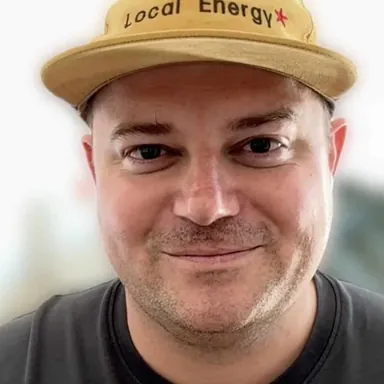
Peter Brecht
Peter loves bringing out the best in people. He lives in California and insures high-risk industries.

Wade Spear
Wade is an upstream engineer with a knack for asking and answering great questions. He lives in Oklahoma.
Transcript
Show the transcriptHide the transcript
Wade00:00
All right.
Peter Brecht00:01
All right, here we are. It is week 29 of 2025. We've been recording now for a couple weeks. And oh, that's what I was going to tell you, Wade. So I was asking some folks how long it took them to feel like they had any sort of interesting podcast, YouTube show, you name it. And it takes about six months. So we're.
Wade00:09
Right.
Right.
So we still
Got long ways to go.
Peter Brecht00:27
We got a long way to go, but anyways,
A lot of fun. And I think the most enjoyable part has been, and I think for you too, reading the comments, reading the DMs, emails we get, just kind of fun. But how are you? How are you doing? How's your week?
Wade00:40
Doing good. Got back into town this week. We were running all across the Northeast with my daughter. She's a senior getting ready to go into, well, to play lacrosse in college. And so went to a couple of showcases up there, see a different part of the country I don't normally get to see. We went in Philadelphia, New York, and back to Baltimore. So I mean, it was a whirlwind, five or six days there, but yeah.
Peter Brecht01:00
Okay.
Yeah,
Lacrosse is a, it's such a cool sport. Think I told you like my brother-in-law super into it and coaches and all that. He's obsessed with it as a sport. Like he can't put it down. We were on vacation. He was like mapping out game plays for, his high school team. And I was like, that's something else, but yeah.
Wade01:09
Yeah.
We saw them all over the place up there, down here,
And mean in Oklahoma, if you want to play lacrosse, we have to travel. Dallas is about the closest place. We're actually getting ready to go to Kansas City tomorrow to play in a tournament. But man, if you really want to get seen or talk to coaches, you really have to hit the coast. So that's what we were doing. It was great though.
Peter Brecht01:35
Yeah, I get it. In,
My goodness, Delaware. He lives in Delaware. You can go, yeah, beautiful area, but I mean, lots of bugs and summertime is great. But did you play sports? I don't remember if I ever asked you that.
Wade01:40
Okay, yeah.
Yeah, yeah, so I played, in high school I played football, baseball, and I played junior college baseball as well, but that was about the extent of it, so yeah.
Peter Brecht01:53
Okay. Yeah. We're about
To put our six year old son, he's going to play fall ball and then we're going to put him in the spring because he's just, he just wants to play. And he's got that kind of my, my, my, you you listen to your mom or your his grandma for like ideas on like, Hey, what would he be good at? Right. Cause they just kind of pick up on it. She's like, you put him in baseball. She's like, he's got that eye. He's got the arm. He's smart enough to do it. And he's kind of tall and lanky. Yeah.
Wade02:03
That's all.
Right?
Hahaha!
T-ball is awesome too.
When they're at that age, they're running to third base when they get a hit or they're out there sitting down in the outfield. You just got to enjoy for what it is. That's a great time.
Peter Brecht02:26
Yeah,
I'm afraid my son, knows the rules really well. So we'll go to a game and he's one of those kids that's already like, he's figuring stuff out before I am, which just shows you how little I know about the sport. But I'm afraid he's gonna be the kid that he's telling everyone what to do. And that's my only concern.
Wade02:33
Okay, alright.
Okay.
You can't have enough coaches at that age, all right? That's right, that's right.
Peter Brecht02:48
You can't, you can't, yeah, even if they're smaller than you. Good stuff. Well, we're here to talk about oil and gas. We've had a couple interesting things this week, but I don't know, news stories. There hasn't really been much in the news. It's been quiet lately, at least as far as I can tell. A lot of stuff happened a couple weeks ago and it's sort of just playing out and not much to talk about there, which is kind of a nice change of pace, I think.
Wade03:08
Yeah.
It really
Is, a lot of times boring is good.
Peter Brecht03:14
Yeah, boring is good. Let's keep things mellow. But one thing I wanted to bring up and I'm going to try to find, I know I sent it to you in an email and then I closed it. So just give me a second. All right. Yeah. Our flow back video, okay. One that's got like, I don't know, 60,000 views. The only video that we've got, I think that's, done that well, which is totally fine. We're not here for the glory, but, there was a ton of
Wade03:31
Okay.
Peter Brecht03:43
Comments. So I scraped 162 comments and I ran them through, ChatGPT and I just wanted to kind of get a sense of, the overall feel of it. There's kind of a debate and the debate thing was flow back versus well testing. Right. And the most common comment was, you guys are talking about well testing, not flow back. Get it right. Figure it out.
Wade03:50
Okay.
Okay.
Peter Brecht04:09
Why are you guys even making a podcast? Great. So here's the deal. So the terminology, it varied by region and company. Okay. So traditional flow back was managing the initial flow of the frac fluid and formation fluids after stimulation. Then we went into well testing, which was the longer term production testing and optimization. And then for some reason there's this label called modern flow back, which I don't necessarily agree with, but it often includes both phases. So you have the initial cleanup through the production testing side.
I wanted to get your feedback on maybe those comments, kind of what your overall take of everything's going on. And maybe we were wrong or maybe we were too much in the group. I don't know, but curious if you had any opinions on it.
Wade04:46
Right.
Well, whenever I look at that, everybody does everything a little bit different, right? Like whether it's the length of the flow back or all those different things. There was tons of comments talking about that stuff. I mean, if you walk onto a drilling rig right now, there's one piece of equipment that can be called three or four different things. All of them, you know what they're talking about, right? Some are more appropriate than others. Some are more technical than others as well. But it's all kind of referring to the same part and people will disagree on what it's called.
And so I think, a lot of times you see that in just general operations, and I think you see that in where you stop flow back, where you call it well testing, where you start doing some of these different things. And so I think that's probably just, from basin to basin and operator to operator. I think everyone views that, their phases of that well differently, and that's probably a lot of what we're seeing right there.
Peter Brecht05:41
I like that and like a lot of times too, right? So depending on your industry, there's always jargon. There's always something else to go through to other industries, right? I've seen kind of your more old school operations that are, trying to, I guess, modernize a little bit and change things. And so you bring people in that maybe start calling it something different or has that kind of corporate feel to it, right? Where it's like, we don't call that we call it this and, they start retraining everyone too. I'm sure that's part of the oil and gas world too, but.
Wade05:47
Yeah. Nope.
Right.
Well,
Take for example in Oklahoma, we've got a formation called, well, it's called three different things, right? It depends on where you're at, depends on the geologist too, because a lot of times the geologist, even at the same company will differ on it. But it's all the same formation, it's called the Mays, the Sycamore or the Mississippi, right? And I'll tell you, like I haven't gotten into the weeds enough to know if there's actually a physical difference between those three nomenclatures and like what it's actually referring to.
Peter Brecht06:26
Okay.
Wade06:38
But I know they're all referring to the zone right above the Woodford. And so it's funny that there's just so much disagreement on something that you'd all look at the same log and point to the same place.
Peter Brecht06:50
Yeah, it makes sense. So I guess it helps to kind of know who you're working with and you probably, probably helps to, yeah, exactly. And then you'll, you'll at least be on the same page.
Wade06:55
100%. Well,
When I did contracts, the first thing I did when we sat down with a new client or a new operator was to get our nomenclature right. It's like, all right, so this right here, what do you call this? This right here, what do you call this? So that way we're always referring to the same thing. We'd always adjust our terminology and our lingo to kind of suit what they're used to.
Peter Brecht07:18
I like that, that's actually really smart.
I might have to do that with a couple people that I work with here. I'm get everyone on same page.
Wade07:24
I saw you
Guys do that in one of those meetings I sat in with you on. You guys were kind of going through different parts of it, explaining it and say, well, we kind of call it this. I think it's pretty universal across industries.
Peter Brecht07:29
Mm-hmm.
Yeah, a little bit of translation, absolutely. So another point I was gonna make on the, and again, I'm just so fascinated by the topic, because we keep getting comments, but so flow back versus well testing. Another thing that they were talking about was, let's see here. All right, yeah, so regional differences, okay? So North Dakota comment was, we've been here over three years and we have yet to use flow back on a frac job.
Wade07:39
Yep.
Peter Brecht08:08
Then we go to Texas or New Mexico. Flowback hands are commonly on the XTO and Exxon sites. Wyoming flowback hands are regularly on location. Let's see if we go up to like Pennsylvania, you get flowback from Frac through completion testing. So all the way through the process. So I don't know, it's pretty interesting. It sounds like if you want a very diverse job with a lot of potential or optionality, flowback might be the place to go because they do it all.
Wade08:10
Okay.
Right.
Right? Yep.
Peter Brecht08:36
Pretty cool. Awesome. All right, let's see here. So much to talk about. I have like an endless list of just things I come up with. We were talking before we jumped on, but AI, are you using AI? You, I don't know, do you guys have like an AI policy for engineering or do people use, I use it all the time for different things, right? I was just, before this, I was building a website page and I was using it for HTML and CSS and all.
Wade08:51
Okay.
Right.
Peter Brecht09:05
Are you guys using it in your day to day?
Wade09:08
Yeah, let me say this, becoming more more integrated in using it as time goes on. It's one of those things that it felt like a year ago, it's one those things of like, this is never, I don't know how I'm ever going to use this, but the more I used it, the more use cases I saw. And then the more use cases I kind of discovered, the more I started using it and kind of stretching its boundaries. And now it does some just massively impressive things. Like,
The other day I took a few LAS files which are essentially just like digitized logs. I uploaded it to, I can't remember if that was ChatGPT or Grok. You you tell it, hey, pick the Mississippi top, pick the Woodford top, treat it like you're a reservoir engineer, do a gas in place analysis. When it starts running through here, you kind of confirm your tops, everything looks pretty good. It starts going through looking at like net reservoir, it starts doing.
Water saturations and all these different things based off of all the data in the LAS file and honestly it comes up with what you know I am no reservoir engineer right so I'm not claiming to be an expert in regards to that I've seen a lot of presentations and a lot of the data and stuff but it really seemed to match very well with kind of I guess what you'd call you know standard results the other thing is too is that you know there's wells in that section and so then I
I tell it, say, okay, take this information, say that you have a 5,000 foot lateral in this section, what would you expect your first two years' cum production to be? And it was on the money, on the oil, but it was an order of magnitude off on the gas. But it was just a really interesting result. And it's one of those things that it was just extremely eye-opening because
Me not having the background or expertise to be able to do that analysis, for it to be able to kick out something like that in 10 or 15 minutes and then even beyond that just kind of walk you through the process. It would finish one aspect that you asked a question and say, do you want me to do this and do you me to do this next? Yes, continue. And it just leads to more and more questions. In the end, think, Gabe came up with a pretty solid analysis. I even ran it by a couple of friends to see kind of what they thought.
Peter Brecht11:07
Right.
Mm-hmm.
Wade11:18
And just at first blush, they felt like it was decently accurate, at least 15 minutes in the time that it took to make it. So it is. I think it's going to continue to expand. It's going to make the oilfield more more efficient. I think the downside is it's probably going to result in more jobs lost and less people in our industry. But it is extremely, extremely impressive.
Peter Brecht11:42
I don't know, I've been using it to like validate things, right? So for me, it's kind of more, I still like to use it as a fact checker or like a direct, like make sure I'm directionally correct on something more than anything else. And like restructuring or organize is pretty cool too. But yeah, I usually use like Claude. That's the one I've just kind of preferred. ChatGPT has always been kind of like, I know, I feel like I'm putting all my information into this like untrustworthy source for some reason.
Wade11:45
Mm-hmm.
Right.
Okay.
Peter Brecht12:08
I don't know. It's just weird how I like trust Claude more, even though it's probably irrelevant. Then Grok, I'd not really use Grok. And then last night I was on X and there's an investment account that I follow and they had a podcast and Grok was in like, people are like at Grok, can you verify this or whatever? And I think it's to do that. But Grok was actually on its own having conversations with the people in the comments, like asking them, was, it was bizarre.
Wade12:08
Gotcha.
Right.
Interesting.
Peter Brecht12:37
It
Was kind of scary. Like I showed my wife, I think it's like thinking now on its own, but it's pretty interesting. It's weird.
Wade12:45
They're taking it in some weird directions, that's for sure.
Peter Brecht12:48
Yeah, yeah. Then,
And then like, let's see, what's the other one? The oil and gas one? Collide. Have you used Collide much at all? Or not really?
Wade12:55
I
Really haven't. I think I was introduced to the site maybe here about a month ago and I just haven't had time to really sit down and kind of dig into it deep. But anything that's heavily oil and gas focused, it's something I want to look into and see what kind of benefits it has or how we can contribute.
Peter Brecht13:16
There's definitely more activity on there. I think I signed up like one of the early, I don't know, probably three months after launch, a friend of mine said, hey, you gotta check this out. And so I've been on there for a while. It seems like a lot of their stuff is more enterprise. Like I know they're working with some of the bigger producers to get it integrated, which is cool. The hard part I have on Collide is that they have this ranking system and it's like, there's people with hundreds of thousands of points, I guess.
Wade13:22
Really?
Right.
Peter Brecht13:42
And I look at that and I'm like, well, I'm never gonna catch up. It's just kinda, I don't know. And I think there's other people on there. Like I just wanna win, right? I wanna be at the top. I don't got enough to share though, right? So it's like, I'm never gonna be at the top. Why should I even take a shot at it? But I learn something every time I go on there. There's some people that post some great stuff and you can learn a lot on there. Again, it's like another social media thing. Just like you said, another thing you gotta check, another thing you gotta learn about and go figure out. And it's like...
Wade13:43
Right.
Okay, yeah.
You just gotta be dedicated.
Peter Brecht14:08
If I could use Collide, think for everything, like I use Collide, I would probably spend a lot more time in there. But it just doesn't have that. And they're not looking to be versatile like that. They want to be focused on oil and gas, but it's just another thing to learn. So anyways, I love the team over there. I love everything they do, but yeah, that's the one thing I'm like, I'm not going to be able to outperform this point system. It's just not going to happen. That's a whole nother story. Nothing we got to worry about. All right. Let's see here.
Wade14:13
Right. Right.
Run.
That's funny.
Peter Brecht14:36
Gosh, so much to go over. We talked about drill bit technology. All right, glycol pumps. You know anything about glycol pumps? What they are, what they do, what they're used for. Really curious about kind of digging into those a little bit. So my understanding of it, and I had a conversation on, it was a TikTok Live that I was hanging out on. So basically my understanding is like they're taking the water out of the gas.
Wade14:41
Yeah.
Yeah, yeah.
Peter Brecht15:00
But they're pretty finicky. So every now and then you kind of have to rebalance it or some sort of, basically like rework it so it works. But maybe in a little better detail than just what I said, what does a glycol pump do and why would we want to have one?
Wade15:05
Right.
Actually, hold on, let me make sure that I'm, give me one second here, let me make sure I'm be talking the right thing. Because I'm almost certain that we use those pretty extensively out in our stuff out in.
Because if it's what I'm thinking of...
Essentially...
Peter Brecht15:28
Ladies and gentlemen, is off-screen looking things up on his extreme day to
Wade15:31
Yeah.
Peter Brecht15:36
Rockets one of the other
Wade15:37
I mean, we're not doing this live, so, yeah. Yeah, all right. Yeah, I was gonna say, yeah, okay. So I'll tell you, have limited, whenever you were saying a glycol pump, I immediately thought of, I guess what I would call a D-high. All right, and so this is something that I don't have tons of experience with.
Peter Brecht15:40
Even if we were, I think we'd be fine.
Wade16:01
But essentially, as part of your production equipment you've got out there, you're flowing all of this through this glycol and it's essentially pulling out a lot of your water. And then once it becomes saturated, you've got to replace it essentially. You've just got to get fresh glycol out there. And so you're pumping fresh glycol in all the time to continue to dry out that gas.
It's a pretty complex system. Highly monitored and highly controlled in terms of temperature. Think, I'm sure pressure is a part of it as well, but when you talk about a glycol pump, you're talking about something to remove water from your gas, essentially.
Peter Brecht16:38
Okay,
And the lease operators are the ones that are working on those right there They're going out there to get them fixed and as I was directed in one of our previous videos a lease operator and a pumper or the same thing but the lease operators the current term so Anyways to all you lease operators. I'm sorry for forgetting that wrong
Wade16:42
Yes. Yep.
Exactly.
I'm pretty sure some people said lease operators are different than pumpers too. You can always be right and wrong at the same time in the oil.
Peter Brecht16:59
You're right, they did, but, you know...
We're gonna have to rebrand the show. Right. Do we talk about, okay, so here's something I was thinking about too, because right now everyone is posting photos of their frac ponds with rattlesnakes. Right. Yeah, and every third photo that I'm seeing on any platform right now, because everyone that I follow or engage with is oil and gas, it's a rattlesnake in a frac pond. So how far away are these frac ponds from?
Wade17:17
Okay, I saw that.
Yeah
Peter Brecht17:30
The drill site and how are they moving water between them? Or is it just such a varied thing that, maybe that's not even a real question, I don't know.
Wade17:38
It's super varied. Just depends. Sometimes they're literally right across the road. Oftentimes they're four or five miles away. And so you're running four or five miles of like fast line and all this other stuff. Sometimes booster pumps if you're having to go uphill and do all this other stuff to be able to transfer that water from your frac pond to your location.
There's a lot, I think I'm thinking really in terms of drilling, but I think it applies to the frac side as well. The frac side just has much, much, much higher volumes than what we do on the drilling side. But if you drive, you drive out in Western Oklahoma right now and you look along the side of the road, a lot of times you'll see fast line light across there. It'll be going across somebody's pond. On the well that I'm drilling the other day, we had some leaks on it from the rig floor. You kind of see it spewing out, had to go out there, cut it.
Put it back together so we can get sufficient water to the rig. It really just depends on where you're at. I'd say in Texas, western Oklahoma, it's probably further than a lot of other places just because water's a lot more scarce out there.
Peter Brecht18:36
Right, yeah. And
Are these ponds pretty much like a permanent thing or are they, they're just building these ponds and they're filling them in after the site's done? Like what's kind of the work on that?
Wade18:47
Yeah, it just varies. Sometimes you'll drill some water wells and you'll flow into a pond trying to fill it up before everybody arrives out there. Sometimes I think you can get permits to even like suck out of a river or something, but a lot of times there's, protected species or things like that in the river that you've got to be really careful for or careful of. It's just different out. Like I said, we talked about a couple weeks ago, out in the West Texas Panhandle, we recycled all of our frack water.
Pipeline it down to huge, huge frac ponds and constantly turn it, treat it, and then pump it back out to the next location. So it's just there's no one size fits all for your water gathering and all that. I wish I could ever give you like a definite answer, but it's...
Peter Brecht19:25
Okay, got it, awesome.
I know, no,
That's the fun part for me is like there's no, it's kinda like, well, we're not sure yet, right? It's kinda, it's like everything else, have to, for me, everyone asks like, there's like specific questions, but it's like, well, I have to go read it. And they're like, well, can't you read one you've already read? And it's like, no, cause they're all different. If an attorney touched it, it's gonna be different, I promise you. So it's part of that.
Wade19:36
Right.
Right. Well, when you
Think about it too, you when you move from well to well or frac to frac, you're moving tens, if not sometimes hundreds of miles. Everything can change in just a few feet. So to move that far, water sources, drilling conditions, frac gradients, all these different things are going to change as you move around.
That's part of the interesting thing about it is that rarely there are some areas where it gets a little bit cookie cutter. The next well is a lot like the last, which was a lot like the one before that. But I would say that's probably a little bit more rare than most of the drilling that's going on in the US.
Peter Brecht20:31
As an engineer, do you have a preference for working on more complicated things or do you like things to be more steady? For me, I prefer things to be different all the time. But if I talk to other friends of mine, they're like, no, I like everything to be the same and predictable and all that. Do you have a side that you fall on with what you're doing?
Wade20:41
Right.
Right.
I tell you both have their benefits. The great thing about just no surprises and this kind of cookie cutter deal is that you usually get more sleep at night, less phone calls during the day, less interruptions on your nights and weekends and all those different things. The downside to this is that after you do that a dozen times, it can get a little bit boring.
Peter Brecht21:09
Yeah.
Wade21:11
You're really scratching and clawing for very, very small benefit at that point, which still an important job, but maybe not as exciting as it is whenever you're going to a new area and there's just a lot of unknown and uncertainty. But after three or four weeks of not sleeping much and constantly being on the phone, you die for a nice, steady, boring well, essentially. That's right, that's right.
Peter Brecht21:31
Yeah. An easy one. Yeah, I get it. I totally understand.
Yeah. And again, I guess there are certain times when I just want everything to be easy and too, but it's like, I don't know. I prefer the interesting stuff just cause it kind of keeps spinning my toes. But yeah.
Wade21:41
Right.
Oh, 100%. Well, you're
Learning, you're being challenged. You feel like you actually got something accomplished whenever you're done with it. That's really the, it's always been funny to me at a lot of the companies I've worked at in the past, you drill a good well and everybody's like at the end of the well, everybody's patting each other on the back like, hey, great job, great job, da da. And you're like, there's a lot of times that I've seen that and I kind of think, well.
Peter Brecht21:53
Yeah.
Wade22:11
Nothing happened. You know what mean? Like maybe you had a good plan or whatever, but like you didn't have to really overcome anything. I think a lot of times those wells that seems like everything's falling apart, but you, you really had to work hard. Had to work as a team. Had to come up with kind of innovative solutions or, different ways to tackle a problem. A lot of the times, those are the ones where I feel like maybe you get the most personal satisfaction from but.
Nobody's there patting you on the back at them as well. Nobody's excited about the results because a lot of times they were more challenging. They took more time than expected or cost more money than expected. But a lot of time that's, I feel like, where a lot of the best, most focused work is really put in.
Peter Brecht22:53
And even on those easy wells, quote unquote easy wells, right? There's probably something that is going on on site, small things that the guys are trying to figure out as they're doing it that maybe come up too. It's, I guess when you say easy, it's not easy. It's just, there's less complexity, right? So that's a big part of it.
Wade22:55
Mm-hmm.
Right. Yep.
Right. Yeah. Right. And
I'm also kind of speaking from my side too, right? Which nights and weekends and all that stuff, those guys are still sacrificing being out there, being away from families, missing ball games, doing all those different things. So, I say easy, guess what I mean is not as technically challenging, right?
Peter Brecht23:17
Totally, yeah, from the engineering side, yeah. Yeah.
Right. Totally. Yep.
Sure, exactly. Yeah, 100%.
No, there's always layers to it, right? And so I think that's part of it you gotta pay attention to.
Wade23:37
When you drill the really deep wells and you're taking gas kicks and you're circulating out gas and you're hoping you don't get differentially stuck when you circulate it out and do all that stuff, there's definitely a sense of satisfaction whenever you're done with it. You feel like you've actually accomplished something.
Peter Brecht23:59
Right, yeah speaking of deep wells, actually this jogged my memory. So China is drilling a 50,000 foot deep oil well right now. It was on the news a day ago or something. I don't know if that's true or not. I'll have to verify that. Yeah, sorry, not depth. Again, we're gonna go back to that conversation. No.
Wade24:01
Uh-huh.
Okay.
It's gotta be the length of it. No way it could be the TVD.
I gotta go. I wonder, can you look up Saucelin Islands? How deep are those? I think those still hold the record for like deepest in the world.
S-A-K-A-H-A-L-E-N, something like that.
Peter Brecht24:28
Lachlan Highland. Yeah.
So the measured total length of 40,604 feet. So it's the longest well in the world. Saucelin.
Wade24:40
Okay.
Yep. I was
Going say, I remember Saqman being huge deep and now China's saying they're going to do 50,000.
Peter Brecht24:48
Yeah, well I mean, they gotta win. It's just, it's always who can drill the deepest or who can go the highest, right? That's pretty cool. Have to read into that a little bit more. My son's, yeah, that's, hmm.
Wade24:54
That's right.
They better be
Pretty confident in what they're going to be reaching for. Is that like a geothermal well, or is this like an actual oil well?
Peter Brecht25:09
I probably spoke too soon. Need to do some more research. It was a headline this morning, and I kind of looked at it, and I was like Yeah, I was like I'll check into that that's pretty cool, and then you know obviously my morning got started and I never caught up with it, It's probably old news. It was probably something back in February that I'm missing, but anyways. It was pretty cool I was gonna yeah, and so I was gonna ask you the biggest rattlesnake you've ever seen on site like like I've come across in California I've
Wade25:13
Okay, I'll have to look at it. Love to see.
That is, that's an eye catching number for sure.
Peter Brecht25:37
Had a four foot rattler before. Had we killed it, took the hat off, because it's just what we do apparently. What's the biggest rattlesnake you've come across?
Wade25:40
Okay.
Right? I don't know if it wasn't a rattlesnake. The biggest snake that I came across on location was a king snake down in Louisiana. I think it was a king snake. It was hiding underneath like a water transfer guy. And like as I'm walking by, it like came out and scared me to death. I swear that thing was like six, seven feet long. It was absolutely huge. Went off into the woods and I was done with it. As far as rattlesnakes go, I haven't seen tons on location, I guess is what I'd say. There's, generally
Peter Brecht25:54
Yeah.
Yeah. Yeah.
Let's get it.
Wade26:15
I'm going say this and people are going to say you're an idiot, right? But like, I think generally there's enough activity to keep a lot of this stuff like that away, and on these rock locations, at least on a drilling site, on a production pad or something like that. I don't know about it, but we still see snakes and all that stuff out there, but four foot route snakes pretty big.
Peter Brecht26:36
Yeah, no, it was huge. That was, was, I think I was like 13 years old and we were, cleaning some stuff out. I live out in rural California. I'm not like in the middle of the city or anything. No, not even close. Yeah. No, I don't, I've actually never been to Rodeo Drive, which is kind of funny, but yeah, I think my wife would love to take me there. I just haven't made the time. But I remember when I...
Wade26:41
Right.
This one on Rodeo Drive.
Or the money.
Peter Brecht26:57
When I bought my house and I had probably about 50 dead trees on my property that had to cut down, I was 22 years old and I'm like, all right, so I got, I'll get this handle. So I've got a chainsaw and I remember I was cutting a tree down and it was probably like two foot diameter, right? Pretty good size. And I felt like the ground under my feet was like shifting and I looked down and I was standing on like like
Wade27:02
Okay.
Okay.
Right?
Peter Brecht27:23
Leaves that were probably three inches thick and I looked down and there's a snake like going under my feet as I'm cutting this tree down. I dude I flipped out so fast like I shut that thing off. I'm like I think I like ran like 10 feet the other direction within a half a second and anyways I went of course I was curious so I went and got a stick and I'm like poking around it. It it turned out just to be a little racer snake but you know it's good size but still you see moving.
Wade27:49
Okay.
Peter Brecht27:52
Snake flesh, you are moving quick. So especially if you're standing on it, don't care if you're wearing boots, chaps, I don't care at all. You're moving quick.
Wade27:53
Right. Yeah.
Now, hey, I know there's some guys out there who've been on location and got good pictures of snakes or at least snake skins. Like maybe they've seen a snake skin or something like that inside their trailer or something like that. Like I'd love to see some pictures from it. All right, so if you're out there, post some rattlesnake pictures. Like let's go ahead and fill up the feed there.
Peter Brecht28:05
Long live
That'd be cool. I'd be really cool.
I'll say,
So next week you and I will sit down. If we get some photos on these, we'll pick one of them out, we'll show it, and I'll make sure you guys get a local energy swag bag. That'll be kind of fun. How's that? We'll do something fun. I like to keep those things going. It's entertaining.
Wade28:24
Okay. Okay.
All right, let's do it. Sounds good.
It really is. And I'm sure some of these guys got some pretty good stories and all that.
Peter Brecht28:44
Yeah, there's not really much else on site. Like I think snakes, it's got to be snakes, as. Yeah. But I think for photo purposes, kind of like Indiana Jones, like why does it have to be snakes? We're going to stick with. All right. Cool. Man, there's so much to talk about. I don't really have any. I'm like having a hard time coming up with topics. I think that's the.
Wade28:49
That and stray dogs. Stray dogs, my gosh. They are always showing up.
Yeah, for sure.
Peter Brecht29:12
Like I am and I'm not, it's just like, there's so much to talk about, but it's kind of, it kind of keeps going in the same vein, right? It's very sim, all of it of becomes very similar at some
Wade29:19
Right.
Peter Brecht29:22
What can we pivot to?
Wade29:24
Thank you.
Peter Brecht29:26
It's kind of weird.
Hedging, and that's all regulation and policy. And maybe this week there just isn't much to talk about. Oh, let's talk, I got one something we'll talk about. This is a cool one.
Wade29:30
Right.
Peter Brecht29:38
We got, and I really want to, think we need to get some guests on the show too at some point. Like it'd be fun to interview some guys again and kind of break up the, it's just hard to schedule them. I think we're having a great time just doing Thursdays at one o'clock. It seems to be, you we've been pretty consistent with that. So that could be our time. But so one thing I wanted to ask is there seems to be a lot of employment placement companies in oil and gas. So there's companies that'll say, Hey,
Wade29:44
Okay. Yeah.
Right.
Peter Brecht30:04
Send us your resume, or they work for the company and then they subcontract out the work. They're not general contractors, but like they're engineering firms or they're providing lease operators, that kind of thing. I don't know, do you see a lot of that or is that kind of more, maybe I'm just coming across it more often because of what I'm doing, but it seems to be pretty common from what I can tell.
Wade30:12
Right.
No, yeah, it's definitely common. I mean, I would say it probably doesn't dominate the marketplace. I think most people are still using pretty, what you'd consider standard mechanisms, going on LinkedIn or seeing something from a company and all that. But there's been recruiters in oil and gas space for decades, and they've helped with placement. I mean, a lot of times you're looking for very, very specific
Kind of requirements, certain base in certain areas. And those people don't always live there. You know what mean? Just because you're based in Denver doesn't mean you're drilling in Denver. It doesn't mean that all your talent's in Denver. And so I think using some of these recruiting agencies or recruiting firms can, they've built relationships over years, possibly decades. They know people in Houston and Tulsa and Oklahoma City and Wyoming and just all over the place, you know? And so I think the recruiting firms can kind of help narrow down that pool pretty quickly.
I'll also tell you from our experience as well, I think they could probably be a time saver. We've opened up jobs before and had 500 applicants. Honestly, 450 of them were not qualified for the job. You know what I mean? Just didn't meet what were stated as minimum requirements. And so going through that, I know now there's a lot of stuff out there that can kind of go through some of that. But at the same time,
You want to give everybody who the time and you don't want to miss the right person. You end up looking at a lot of different things that you're spending time on and it just doesn't fit the bill. I think a lot of times the recruiters can help with that. The other thing is too, is that the oil field is built on relationship. Who you know and who knows you, who likes you, who trusts you, all those different things. With them having these big networks, I think that they can...
They can kind of help weed out even the qualified people pretty quickly based on what people they trust, the experiences they've had with possible candidates. So I definitely see a need for it. And I think right now they're probably doing pretty well with all the movement that's been going on in the oil field.
Peter Brecht32:30
Yeah, and when you're talking about building a network, as crazy as it sounds, I think, even if you're just on TikTok, right, I'm not saying go on LinkedIn, I'm not saying go on anything else, if you just go on TikTok and you're connecting with people on there, believe it or not, there's some like-minded individuals on there that are kind of building out really cool things. If you, know, it really just, I think that's a network in itself, right? And I think a lot of people miss that. Yeah, it's a big.
Wade32:49
Right.
Yep.
I think Collide, doesn't Collide have a job board too? Or they've discussed it?
Peter Brecht32:58
I don't think you have
A job board. Posted up actually a fun thing. So collide, I posted up we have our engineering. We have, me rephrase this. So on collide, I posted a listing for our internship, our academy. And I had a couple of kids that are various, younger engineers that were like, hey,
Wade33:14
Okay.
Peter Brecht33:21
I'd like to be part of that and learn a little bit about insurance and go through the 12 week program. So Joey Johnson is actually starting with us in a couple of weeks here as our very first engineer in the internship program. Yeah, it's going to be great. So I've got two professional rugby players and then I have an oil and gas engineer. So I'm pretty stoked, like to see what he brings into the conversations will be really cool. But yeah, he's just, he lives up in, I think he lives up in Idaho or not Idaho.
Wade33:30
Alright.
Nice.
Right.
Okay. All right, that's off.
Peter Brecht33:51
It'll be it'll be good to have them either way so Super
Cool. And yeah, I still got to work on a bunch of curriculum for that But you remember that presentation I sent you and you sent me back like copious amounts of notes, which were all great I'm like yesterday I'm sitting down and I started to go through it I'm like I'm like I'm gonna have to get Wade and I are just gonna have to meet on this separate and just go through it because there's This doing this with you and going through making these videos has shown me
Wade34:01
Yes, yep.
Peter Brecht34:17
I think there's actually something here where we could show a progression of how everything works, right? Just like an easy 10 minutes of here's what happens, we have drilling and then we have completions and production. Let's just talk about those three things and how it works. It's endless, but I think it'd be cool to do like a little webinar kind of thing. I don't know, just get people to hang out.
Wade34:23
Right.
Let's do it.
Yeah, that's what we
We so whenever I was working at Baker Hughes, I had a we started a geo steering kind of division in Oklahoma City. And one of the things that Baker was doing at the time was they were hiring kids straight out of college and they sent them to what they called the sales academy. And it was pretty intense because for an entire year like they didn't really I don't want to say they didn't do work like they pretty much just traveled around taking classes from different places throughout the company.
Some of them were sales classes, a lot of them were tools classes. They came to Oklahoma City and I did a two or three day deal on geosteering. What is geosteering? Who's geosteering? This was still pretty early on and horizontal geosteering. But it sounds very similar to what you're doing with the academy and everything. And a lot of those guys did really, really well. So it's great.
Peter Brecht35:14
That's rad.
I think I missed
My calling. I still think I missed my calling about like, like I didn't grow up in an oil and gas world, but that's, I think this is like my, that's probably my second and third career is going to be in the oil and gas space. So we'll see. Like to drill. I want to drill a well someday. I want to be part of one. Want to, no, like I want to actually like be part of that whole operator process. Like I, that's like a 10 year goal for me. I think that'd be kind of
Wade35:31
Right.
Alright.
Well, in October you can come out there and see it. So we'll get you on one.
Okay,
Peter Brecht35:52
It'd fun to do it
Wade35:52
All right.
Peter Brecht35:53
Sooner, but I don't think I'll have the chops for quite a while. It's gonna take some time. Maybe I'll go, yeah, we'll see. I can dream. Yeah, I can dream. Sweet, well I honestly don't have much else to talk about. I kinda had a plan and then I didn't really deliver on it, so it's okay. But I had a lot going on too. My brain has been kinda trying to figure out moving and stuff, so.
Wade36:03
You can do it. Set your mind to it.
All over the place, I understand that.
Peter Brecht36:22
All
Over. Yeah, it doesn't slow down. So anyways, what do you got going on the rest of week? Anything fun?
Wade36:26
No.
We're going to Kansas City tomorrow lacrosse tournament this weekend. It's just a couple full weeks of lacrosse. So today's our only full day back in Tulsa. We'll leave tomorrow. Be back. I'll either be back Sunday or I'm going to take my daughter to Georgia for another lacrosse deal. And I'll be back next Wednesday. So I'm not really sure, but there's a big, there's a big conference.
Peter Brecht36:40
Dang.
Been busy. Yeah.
Wade36:54
Next Thursday that I'm probably going to go to. So we may, we'll see on the timing and stuff. We may have to, may have to do like Thursday morning. But also talking to Matt, he wants to have us on and maybe Thursday would work out well also for us to all whatever get on together. I go to, I think he's got like a studio or something down in Oklahoma city. I'm not really sure. But, I joined in there and we'd call you in and do all that stuff. So.
Peter Brecht36:59
Yeah, that's it.
Yeah, I-
Man, I wish
I could fly there, that'd be crazy.
Wade37:21
I, you could get the Allegiant. I'm pretty sure Allegiant flies from LA to Oklahoma City. Super cheap. Maybe like $60 one way. It's the deal. What is it? The petroleum Alliance. It's one of the bigger events of the year. It's at the Jones assembly, which is an awesome venue and, uh-huh. Yep. I'll let me get on my. Okay.
Peter Brecht37:40
It's an OKC? It's, okay, alright. Let's see here. I'm actually gonna look, I'm looking at tickets right now, just for fun.
I don't know why I'm doing this, but I'm gonna do it.
Wade37:49
All right.
Hold on. Let me see here. Oh, San Diego. Oh yeah. Okay. I think South, I think Southwest has a San Diego, Oklahoma city nonstop.
Peter Brecht37:53
San Diego to Oklahoma City. Little easier for me.
Healthy thinking,
Healthy direct.
Wade38:03
Are you sure? Maybe it's only certain parts of the year. Maybe that's Tulsa.
Peter Brecht38:05
Yeah, looks like there's one stop. It's not bad though.
Plus, dude, the Denver airport is the best airport in the world, in my opinion, and I could stop in Denver, which isn't bad.
Wade38:18
Why do you like Denver so much?
Peter Brecht38:20
I don't know, I just like the airport. I think there's like, nostalgia there from like being an athlete and traveling through Denver so much.
Wade38:27
Okay. Alright. Let me see.
Peter Brecht38:29
Can't think of anything else. All right, so I'll have to look
This up. This is cool,
Wade38:35
Let me look at the petroleum alliance.
Peter Brecht38:36
If Matt wanted,
I would seriously consider leaving my house and flying to Denver for a podcast. That'd be fun.
Wade38:43
Alright, let me see here, Petroleum Alliance...
Where is it? That'll be July. It's the end of July here.
That's it, Mid-Continent Energy Forum. I'll send you the link here real quick.
Peter Brecht38:55
OK,
Cool.
Peter Brecht38:56
I yeah, it's seven, I believe the day before.
Wade38:59
Man, if you come to Oklahoma City, got a hotel for you to stay at. It's right down there by the Jones. Yeah, it's an old bank. What is it called? Everybody in Oklahoma City is going to kill me, but there's a restaurant called Tellers there because that's how I remember it's an old bank. Let me see here. Tellers OKC.
Peter Brecht39:02
Yeah?
It's alright.
Wade39:21
What's the rest, or what's the hotel here?
Is it First National?
Something like that, or maybe it's called the National.
But you'd be in high style, man.
Peter Brecht39:32
I might have to check. I like staying at cool hotels. Like the older buildings are always fun.
Wade39:37
This one, just look at it. It's the nationalokc.com. It's a legit place. It's really cool.
Peter Brecht39:45
Yeah, could come in on Tuesday and leave on Friday or something. We'll have to figure that out off the pod. That'd be really cool to figure out. And then if Matt, if he wants to record, that'd be even, that'd be cool too.
Wade39:48
Yep. Make your way around.
Yep.
Alright, yeah, me shoot him a text and we'll see.
Peter Brecht40:00
And if not, I'll just call in, but
Either way, that'd be super cool to... If you had a studio, that makes it even more fun.
Wade40:07
Yeah, he was mentioning something about plugging in a monitor and doing all this other stuff. So I was like, wow, that means it sounds legit.
Peter Brecht40:14
Sweet. All right. Well, let's connect on, let's connect, I guess, over email or something with that and then we'll figure out timing. That'd be, I would, I'd do it just for fun. Cool. Wade, I'll catch you soon, man. Thanks for hanging out. Bye.
Wade40:23
Alright, sounds good.
All right, take it easy Peter.
Bye.