Summary
Peter and Wade talk with Dale Poserow, who is wrapping up his first year building a new division for X-Pro as a team of one. Dale explains how he applied expecting to be turned down, then traces a career that started at FTS International and moved through several field jobs before remedial wireline. He describes the appeal of running cameras downhole, calls activity in his region consistent, and says the industry is becoming more willing to change.
Hosts
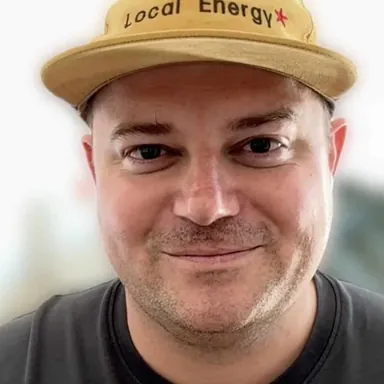
Peter Brecht
Peter loves bringing out the best in people. He lives in California and insures high-risk industries.
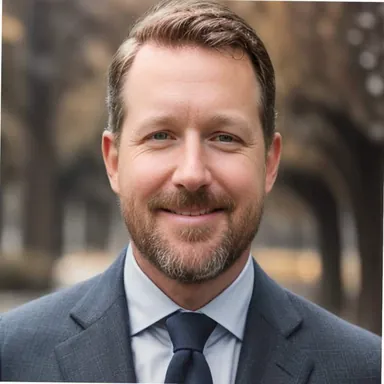
Wade Spear
Wade is an upstream engineer with a knack for asking and answering great questions. He lives in Oklahoma.
Transcript
Show the transcriptHide the transcript
Peter Brecht00:01
Welcome to local energy. My name is Peter Brecht. I'm here with my co host Wade spear. And today our guest is Dale posro. I hope I'm getting your last name right. Dale, actually, I didn't even ask you before our call. Did I get that right? Or no? POSRO man. I'm blowing it at the beginning. I
Dale Poserow00:11
It's that is the most common pronunciation of it though. It's okay It's a made-up name my ancestors completely
Made it up when they came to the US so not a big deal
Peter Brecht00:23
Like I wanna
Peter Brecht00:24
Redo the introduction, but we're just gonna keep it rolling. So here we are, I think this will be our second release of 2026, but man, Dale, how's it going? What's new and exciting in your world?
Dale Poserow00:26
Well...
Not bad, not bad. Wrapping up the first year of really getting this division for X-Pro off the ground. And that's been my primary focus this year. So it's been a struggle at times, but we're wrapping it up and we had, I think, a promising start considering it's a first year. Every first year of a business is always rough, whether it's established and you're starting a new division or you're starting it from the ground up. I think we finished on a pretty solid note for this year, so it's not too bad.
That.
Peter Brecht01:07
What
Wade01:07
Awesome.
Peter Brecht01:08
Does X-Pro do? Maybe this is common knowledge, but I'm curious, what does your company do?
Dale Poserow01:13
Well, so X-Pro as a whole does like everything is the short answer. We do all kinds of stuff. We, I'm, I don't want to shoot myself in the foot here and have my corporate coming, over my head, but.
We don't, we're not huge domestically. We're probably like a mid-sized company domestically. We have very large international operations. We operate all over the world. Our headquarters are over in the UK. We have operations. I've lost track of how many different countries I've seen in away emails that different staff members are, doing trainings in and everything like that. My division though is very, very small in the grand scheme of things.
Wade01:49
Right.
Dale Poserow01:58
Mostly because each individual tech services such a large area. So like we don't have to have a ton of people for what I do in particular. But the company as a whole has decent size operations.
Peter Brecht02:14
Okay, gotcha. And in your particular like day to day job, right? I mean, we were kind of joking before, like you're doing everything, right? You're, you're on the sales side, you're on the ops side, you're on the engineering side a bit kind of talking. So like walk us through kind of your day by day. And then we'll kind of go back in time and figure out how you ended up here.
Dale Poserow02:23
Yeah.
Yeah, so I mean day by day.
It's kind of interesting because it's definitely one of those jobs. I think this is fairly prototypical with oil and gas where no day is truly the same. Like there might be the same actions, overall that happen. But like it's truly nothing is the same because no project that I'm on is the same. I've been, fortunate enough to be in this industry for quite a while now. And, you know, while your job task can remain the same, it's completely different.
Typical sales day is, kind of just driving around the Northeast handing out donuts. A couple months back, I went out and actually made it a point to go to the work crews on location and deliver it to wireline crews, because I was like, man, I remember when I was out here all the time and like nothing was better than when people brought us food. Like I don't, sort of a cash bonus. I don't think you can get better than that. You know what I mean? So I made sure to go out there and hit the hit the field a couple of times. But just going, especially because our company was
Peter Brecht03:25
Yeah, yeah. Yeah. Yeah.
Wade03:25
Right.
Dale Poserow03:37
Was
Previously in completions and production and things like that and they kind of moved out for a while and now we're moving back in so it's really just about getting in front of people even if that means you know handing a folder to the secretary at the front desk you know once every three months and hoping it ends up on the right person's desk you know but that's it could be that some days I'm working in the shop you know going through my tools if I know I have a big project coming up or something like that I'll go through make sure I you know get o-rings
Peter Brecht03:56
Yeah.
Dale Poserow04:07
Swapped out and check functionality of the tools and things like that. Some days I wish I was joking, but some days I literally sit at my shop and I wait for packages from UPS that seem to come right as we're getting ready to close for the day. It just, it all depends. Some days I'm on a plane to Texas, going to do training or something like that. It's very varied, which is something that I personally enjoy. If it gets too repetitive, too factory work, that's not really my
Peter Brecht04:21
Yeah.
Mm-hmm.
Dale Poserow04:37
Not really my style. I don't enjoy that too much.
Peter Brecht04:40
Yeah,
Wade04:41
Looks like you might, go ahead, sorry Peter. I was just gonna
Peter Brecht04:41
Are you looking over? Go ahead, Wade. You're fine.
Wade04:44
Say, at the background out there, looks like you might be out on location today. Are you sitting on a job somewhere?
Dale Poserow04:48
No, no, actually believe it or
Not, that's just the drop ceiling in my basement.
Wade04:52
Okay, okay, in the
Base, but I was gonna say, the width is looking like, with the width and the ceiling, it looks like a lot of the trailers I've been in on location,
Peter Brecht04:56
You
Dale Poserow05:00
Yeah, it's actually,
It's a fairly accurate representation of that, but I just, I live in a split level that was built in the seventies and that was the design style apparently, and I haven't gotten the change in it yet.
Wade05:04
I got to.
I got to.
Peter Brecht05:12
It works. You managing people or is it kind of a team of one or are you working in a team? What's your arrangement there?
Dale Poserow05:20
So it's definitely a unique situation.
I'll talk a little bit about how I got started with this role because I didn't think I originally I Didn't even think that I was gonna get this is so I went through a period of time where I had seen a video online or something like that, know some some tick-tock or something and It talked about making sure that you weren't the one to tell yourself No, it said let other people tell you know work on getting you know facing rejection and everything like that because you don't know what kind of opportunities it could open up for you
Peter Brecht05:27
Yeah.
Dale Poserow05:53
My last company, it was a great company. I'm not going to say it wasn't by any means, but I don't know if it was the best fit for me. I had a lot of stuff going on in my life at the time. It was very hectic. And so I didn't know if it was the best thing for me. I was looking at other opportunities and when I did, I saw the job for Expo pop up. And in the job, it pretty much said, you're going to be a team of one and you are going to start the division by yourself with extremely minimal help.
Wade06:02
Mm-hmm.
Dale Poserow06:23
To a self-starter, you have to be willing to, kind of grind and not have somebody watching you all the time, you know? And I was like, man, chance to start a division, like that would look great on a resume. And then the next thing I said to myself is, there's absolutely no chance these people are going to hire me for this role. And then next thing I knew, I made it to the end and they're like, yeah, you're the candidate that we want to go with. We think you're going to do a great job. And I went, wow, that's great. Awesome. And I went home to my wife and I was like,
Peter Brecht06:35
Yeah.
Wade06:40
No.
Peter Brecht06:40
Yeah, yeah.
Dale Poserow06:53
I didn't think I'd get this far. Do I do now? And it's been an adventure every day since then, pretty much.
Peter Brecht06:56
Yeah.
Wade07:01
That's awesome.
Peter Brecht07:01
That's
Gotta be kinda stressful. I don't know. So building a business, You have to take ownership of this division you're building, right? And so there's a heightened level of responsibility, I'm sure, that comes with that. So when you got that offer, you're kind of like, okay, I don't know if I'm gonna get it. I don't think I'm gonna get it, but I'm gonna see this all the way through. You get it. There had to be that kinda like, oh my gosh, I actually got this job. Now what moment, right?
Dale Poserow07:12
For sure.
For sure. For sure.
Peter Brecht07:31
Was there
Like kind of a moment of pause where you're like, did you ever ask yourself if you were going to be able to do it or was it like, okay, I know exactly what I'm going to do next. And you kind of had a plan or like maybe walk us through that kind of that those next couple of days, what was the thought process like as you were getting ready for it?
Dale Poserow07:48
I think it was a...
I think it was a combination of everything that you said, right? Because I definitely had a plan. Like even, so the interview process was multi-step, which you would expect from somebody who's gonna be restarting an entire division, isolated geographically basically by themselves. And throughout those steps, like I remember, I think it was my second interview. Like I was already detailing a possible marketing plan and everything to these guys and, like letting them know like, listen, we could do this. Like we could use this tactic and that tactic and, we could throw this piece of merchandise
Peter Brecht08:01
Yeah, yeah.
Dale Poserow08:20
And I these people that are connected to this side of this and you know and just kind of already already scheming and already planning on what I could do in my head. But at the same time not having so I was a manager like way way back in retail like when I was a teenager. But I had no oilfield sales experience no oilfield management experience. I was a supervisor previously of generous size. I supervised crews up to 25 people at a time. So I mean that's you know solid supervisory experience.
Wade08:36
Mm-hmm.
Peter Brecht08:43
Mm-hmm.
Dale Poserow08:50
I didn't have any experience. There was definitely like some, some, blind confidence there, I suppose, not really know what was next, but just being like, man, I'm going to tackle it. And, this is an appropriate time to shout out my manager, John Davidson, because if it wasn't for him, I would have fell on my face so hard with this because there were times where I called him and I was like, JD, what do I do, man? I have no idea what to do at this juncture right now. And he'd be like, man, what if this, my
Wade08:50
Right.
Peter Brecht09:14
Yeah, yeah, yeah.
Mm-hmm.
Dale Poserow09:20
Favorite expression to his is like when it came to sales, like there were some days where I'd go out and just nothing, nothing, nothing stuck. You know what I mean? And he'd go, he'd go, Dale, you just gotta keep throwing spaghetti at the wall and see what sticks, man. I was like, the person like what? And he's like, yeah, he's gotta keep throwing spaghetti at the wall and see what sticks. And sure enough, I kept at it. And I've seen some positive results. So it's nice to know nice to end up there after that.
Wade09:27
Right.
Hahahaha
Peter Brecht09:34
Yeah, yeah, yeah.
Yeah, yeah.
Wade09:45
That's great.
Peter Brecht09:45
That's...
That is great. Yeah, that interview process had to be pretty daunting. There's not a lot of new TV shows. I haven't seen Landman. I don't know if you guys are watching Landman, but I watched the first episode and I haven't watched any more of it, which probably makes me not really an oil and gas guy. But it reminds me kind of like of The Office. I don't know if you've seen The Office, but they're interviewing Michael Scott's replacement. Got Michael Scott, Warren Buffett shows up in the episode and he's like,
Wade09:59
I have.
Dale Poserow10:06
You
Wade10:15
Yeah
Peter Brecht10:15
Detailing
His plan and he's like, he's like, did you just trademark like your sex like he's like, I just trademarked it. Like you can't take that. Like that's my idea. Like anyways, sorry. My, my office lore is, is shadowing through. Well how did you get into the industry? I looked at your LinkedIn briefly before it looks like you have some wireline experience. You were a corrections officer at one point. Is that, is that, is that correct? I don't know.
Dale Poserow10:22
You
Yeah,
So I am some people use it affectionately. Some people do not use the term affectionately. I am definitely what's known as Johnny Roughneck. I have been around the block. I have done lots of different jobs and I've also had some bad luck that attributed to it as well. So it's funny that you told me like, before we started rolling, you said that like high schoolers are a big demographic, which is funny because I knew nothing about this industry when I was in high school. I had no intentions to end up in this industry. My dad, the way he
Wade11:04
Right.
Dale Poserow11:09
I and you're gonna get a degree and that's gonna be that. I didn't really know what I was gonna do at that point. I had ideas, but I didn't have any concrete plans or anything like that. And I ran out of money after my first year of college and I went, hmm, well this is an interesting predicament. What do I do now? And my now ex-wife at the time, I was dating her and living in New Jersey. She's like, got family in Southwestern Pennsylvania. She goes, my...
My
Cousin's an oil field crane operator, he makes like $170,000 a year, maybe you could go do something like that. And I went, that sounds awesome. I was like, sure, I'll go be a crane operator for 170 a year. And moved out to Southwest Pennsylvania and was not ready to be a crane operator at all. I was 19 years old, didn't have a CDL, all the things.
Wade11:56
Yeah
Dale Poserow11:58
And he goes, how about you just apply for like regular oil and gas job openings? And I was like, I don't even know what I'm applying for, man. I was like, I could be applying for positions that require like 10 years of experience. He goes, if it sounds like an oil and gas position, just put an application on Indeed, get the interviews and I will help you sort it out. And at the time this was later 2014 when things were still, still booming pretty good up here. I had interviews one after another and he just kinda, I'd go to an interview
Peter Brecht12:10
Mm-hmm.
Wade12:23
Alright.
Peter Brecht12:24
Yep.
Dale Poserow12:28
Interview, they'd give me an offer and I'd go, hold on, I need to make a phone call. And I'd call him and I'd be like, hey, what do I do now? Is this a good offer? And he'd be like, absolutely not walk out the door. And I'd be like, I respectfully decline the offer. Thank you very much and walk to the next one. And ironically, my first oilfield job ended up consisting of three questions for the interview. And it was Fractech, FTS International. And they went, so you want to work here? And I said, yeah, yeah, I'd like to work here.
Peter Brecht12:41
Ha ha ha ha.
Dale Poserow12:58
Can you pass a drug test? I said, yeah, yeah, I can. I said, I don't do anything. I can pass a drug test all day long. They're like, fantastic, fantastic. He paused for a second, looked at me again. He goes, do you really want to work here? And I was like, I don't, if you're questioning like that, I don't know if I should, but and the rest is history. And then that's where I ended up getting my start. And I ended up leaving there.
Wade13:09
Yeah
Peter Brecht13:10
Hehehehehe
Dale Poserow13:21
After about six months, one of my first supervisors in oil and gas, name was John Brady, used to tell us all the time, because at the time we had new guys coming in every week. It was just a constant rotation. And he goes, man, every time you step on a location, it is like a big job fair out here. Talk to people, find out what they do. Maybe you'd like to do something like what they're doing instead of what you're doing now. And I kind of, really took that to heart as well as the other piece of advice he gave, which is if you want to move up, train the person below you to do what you're doing so you can move up.
Which is not a popular sentiment in oil and gas. It is slowly becoming a more popular sentiment, but I came in at a time when it was, why would I train you? You can possibly replace me or advance above me, and I don't want to do that. But those two pieces of advice he gave me were pretty critical to my oil and gas career, so I'm grateful for him for that. But I took that, man, it just snowballed from there. I left that job.
Wade13:55
Right.
Peter Brecht14:08
Hmm.
Yeah.
Dale Poserow14:21
Ended up fueling light plants and generators for three weeks and then they laid me off because they lost their contract. I went from there to water transfer because it was the only thing hiring at the time. I was there for nine months. They cut my pay while I was there because of the downturn and everything. So I left for a better paying job. I was there for two months before they got rid of the manager who had hired me and decided they wanted to go in a different direction. And word came down through the rumor mill that they were going to get rid of anybody. That was one of his preferred
Wade14:27
Mm.
Peter Brecht14:27
Hmm.
Wade14:37
Right.
Dale Poserow14:51
Employees and being that he hired months ago I was one of those people so I moved on from there and I went to go to a work over company worked a couple jobs for them and then they said hey we don't have the work we thought we were gonna have you're gonna be sitting on the couch for a while and I said I don't like sitting on the couch so I'm gonna go over here and go do this I was a drill and roust about for a few months and they actually I kid you not this is one of my craziest stories that I tell I sat down in the office with the owner of that company
Peter Brecht14:52
Goodness.
Dale Poserow15:21
And he goes to me and he says, Dale, we like you. Like what you've done. The company men rave about you. Actually had two company men argue over whose shift I was going to be because they enjoy me on location so much. And, he goes, I want you to be the head of the division and I want you to start doing sales. He was going to give me the company truck, the laptop, the card, everything that everybody wants. And as far as an oil and gas position, right? I was like, wow, this is an amazing opportunity. Thank you. Walked out of that, that meeting with him. And an hour later call came through.
Wade15:29
Hahaha
Dale Poserow15:51
That our customer was being acquired by another energy company and that energy company already passed down word and they said we have our own Roustabout company that we're going to use. Your guys services will no longer be needed as soon as the deal goes through. And so I went from there, bounced back to Frac, realized I still did not enjoy that and just like I did the first time.
Wade15:54
Mmm.
Peter Brecht15:55
Man.
Wow.
Dale Poserow16:11
And I kind of bounced around from there just going to two different jobs and then I found flow back And I liked flow back probably better than anything else. I've done besides wireline to that point
Peter Brecht16:22
Hmm.
Dale Poserow16:24
And I was a contractor for a while so I feel like that was a really good thing. I bounced around a good bit. I got to see different companies, different ways of doing things and then I was with various flow back outfits as work ebbed and flowed. Some companies would gain work, some would lose work and as I stated I don't like sitting on the couch so when work would get too slow for too long I'd pack up and move to the next one. And then after that I was at a company and I was sitting on a job which had gone absolutely
Wade16:39
Mm-hmm.
Dale Poserow16:54
Horrible. It was supposed to be a three and a half day job and it turned into a three and a half week long job. And while I was there, I saw a truck and big letters on the side with the company name. I was like, man, I don't know anything about wireline. Nothing. Like I was sitting there and I'm like, I know what they do, but like, I don't know anything about it. I don't know about the job. I don't know about what these guys do on a day to day basis. It was really one of the things I realized I'd never been exposed to in the industry. So I went, I asked the
Peter Brecht16:59
Cheers.
Wade17:22
You
Dale Poserow17:23
I said, hey, tell me a little bit about what you do. He did. And I said, you guys get paid good. Like what's the money like? And he told me what his pay was like. Said, I promise. It was the exact line from a Wolf of Wall Street. Said, you show me your pay stub for that. I said, and I will go put in my resume right now. And he pulled it up on his phone. I said, hold on. I need to go borrow the company man's wifi and put in my application. And that's how I got into remedial wire line. And then from there, I ended up in this role a few years later.
Peter Brecht17:39
Hahaha
Yeah, yeah.
Hahahaha!
Dale Poserow17:53
It's been a wild ride for sure.
Wade17:54
So what?
What did you like so much about Flowback? What was the part of that job that you really loved?
Dale Poserow18:01
I think it was multifaceted. I really like production. I've learned that. As much as my experience is in completions, I've learned that I really, really enjoy production just because...
I feel like completions, when it's going correctly, like I stated, it's almost like factory work. It's very much, checklist item, checklist item, checklist item, job is complete. Whereas production is not that way. Production is unpredictable. Production can be influenced. Production can be changed. It can be stopped. There's so many different factors. Down to,
Wade18:22
Right.
Dale Poserow18:42
Learning how the wells are like each one almost has like its own personality is if you can personify it and you can be like With confidence after a couple of weeks of watching a well and knowing what it's doing You can say this well is going to have a surge of water at 3 p.m On Tuesday and that well will have a surge of water at 3 p.m on Tuesday because you learn the workings of the well or like I Was able to figure out when wells were being frack hit when
Even the operators themselves didn't know that their wells were being fracked hit. And I liked that it was a smaller group of people on location at one time. So you get you you were able to foster really good relationships. One of my favorite company men of all time, Chad Patton, he and I would, we'd argue like like stray cats sometimes, but at the same time, we'd also sit down and cook for each other. And, he'd always make us meals on the holidays and stuff like that.
That
When we're on location. When you're dealing with two guys, three guys, four guys on location at a time, you get really, really close, especially when you're, you're spending, weeks together and you're bouncing from location to location to location. And, there's easy days with it and there's ridiculously hard days where you're running for 12 hours a day, while you're on location. And I think those things are really what drew me into Flowback. And then you, it's not all brute
Wade19:51
Right.
Dale Poserow20:12
Strength either. You have to use your brain, which is not the case with all oil field rules, I don't feel. But that's also what drew me to Wireline. Not every day is the same. It can be challenging. You have to use your brain. You're with a small group of people pretty much all the time. And you got to think outside the box, with different things that you're doing.
Wade20:33
Right.
Peter Brecht20:34
Hmm.
Gotcha. And then when you got into wireline, it's kind of the same question. It's, was there a particular part of that that, that you enjoyed the most? I know, because even that job is pretty diverse. I mean, it's not like you're doing the same thing every day. Was there a part of that job that maybe you enjoyed more than others?
Dale Poserow20:48
Yeah.
Wade20:54
Sounds like the pay was better to start.
Peter Brecht20:56
Yeah, there you go, yeah.
Dale Poserow20:57
Yeah.
At the company that I was at, the pay was better, which for sure was nice. Think honestly, and this could be a sentiment that is for sure not shared by everyone, but the work-life balance with Wireline was so much nicer because I did, it's called Daywork or Remedial Wireline. So it's not the same as like Plug and Perf, like when they're on the frac sites and they're literally doing, gun run, plug and you know, rinse repeat type deal. But we would do tubing plug.
Peter Brecht21:01
Yeah, yeah.
Yeah, yeah.
Dale Poserow21:27
We'd do cuts, casing cuts, cement bomb logs. We'd hoist cameras, we hoisted gyros. There was so much that could change from day to day.
It not only made it interesting because you got to learn and see so many different areas. I mean, we were on paths from when there was a drilling rig on site all the way to P &A, you know what I mean? All the way past post-production. So it was so varied and you learn so much by being exposed to so many different sides of things. Not to mention, Wireline is unique in that most other jobs in oil and gas
Wade21:42
Mm-hmm.
Dale Poserow22:08
You're just looking at the results of whatever happens, right? With frac, you can see pressure spikes. And so you know whether the well is taking sand or it's not taking sand, with flow back, whether the well is producing, if it's not producing how much water, but with wire line, you get to see the nitty gritty details, man. Like that's one of my favorite things about what I do now with running cameras. Like you actually get to look in there. Can't tell you how many times when I was breaking out in this industry, I'd be sitting there like, man, I wish that I had like,
I wish they could make like clear casing, you know what I mean? And like dig down like thousands of feet just to see just to be able to see what's going on. And then I found out the cameras were a thing and now I run them. You know what I mean? And I think that's a kind of a really cool story arc. But I was just always fascinated by like what's going on. I mean, cement bond locks. You can see how well the cement set up, alongside the casing, the cameras, you can see if a purpose clogged or if there's a separation in your, tubing hanger. Like there's so many different things.
Peter Brecht22:46
Yeah.
Right.
Hmm.
Wade22:53
Mm-hmm.
Dale Poserow23:08
Going on and it varies so much from well to well that you get to see parts of these wells that most people you know only you know either if they they're not a nerd like me I guess don't think about ever you know or not don't think about very much
Peter Brecht23:24
Hmm. How difficult is, the technical side of that, right? I mean, it's not like you studied this through high school and then college, right? You kind of like learning this on the job. How difficult is it to learn that as someone that might be new to the industry coming into it? It like, okay, this is going to take you 10 years or you're going to pick up the basics in the first two and then you're going to be proficient by year five? What does that kind of look like?
There's no books on it either, from what I can tell. It's like you're going to courses and training on this more than anything else. Classrooms.
Dale Poserow23:50
No.
Yeah, so
There is a school down in Texas, I believe, I'm pretty sure it's called Top Gun, where they do... that's right. You guys interviewed him, right? Yep. So Top Gun, they do have wireline training. To my knowledge, that is really about the only formal wireline training that there is. If there's other things, I haven't heard of them. It's...
Wade24:02
We know them.
Peter Brecht24:02
Yep, yep, yep, yeah, yeah. Yeah, Russell's a good
Dude, yeah.
Dale Poserow24:19
So my last supervisor, Ricky Lukasik, he told me, he was like what I've noticed with wireline is when people do it for a period of time.
You notice the moment when it clicks. And it's really, really difficult until that moment when it clicks. And once it clicks and you can see that like the light bulb goes off for someone and they're like, I see. Like whether it's rebuilding a Baker 20 or you you're talking about analyzing a pattern on cement bomb log or looking at images from a camera. There is that aha moment where like it all kind of starts to come together and all the pieces that you've been working on building just kind of formed together and you really start to get
Peter Brecht24:36
Hmm.
Dale Poserow25:00
The idea of what you're doing. And I think that's really it. I think you kind of just have to learn it slowly over time and piece it together. I do think that my extremely varied background helps a lot. And it has helped me a lot throughout the course of my career, which is why I do not regret having to job hop the way I do, just because I'm so aware of everyone else's job on site and not just my own. And I view that as a strength, you know?
Peter Brecht25:27
Yeah.
Yeah. What's, kind of going into, to, end of 25 beginning of 26. What's activity been up kind of your way? It sounds like from everyone I've talked to, you guys, it's been busy up your way.
Wade25:29
Definitely.
Dale Poserow25:43
It's...
I say busy. I would say consistent. Nobody's going out of their way to drill extra, but nobody's really pulling back and being like, we're not going to do anything. I've had some engineers tell me that they're going to push projects that they called me for until 2026 and things like that, until they get fresh budgets and everything. But I'd say it's pretty consistent right now, which makes it interesting when you're talking about trying to restart a division up here.
Peter Brecht25:56
Okay. Yeah.
Dale Poserow26:16
In a flat market, everybody kind of just wants to stick with the status quo, doesn't want to use new vendors and whatnot, which the ones who have called me makes me appreciate them even more because they're willing to take that chance.
Peter Brecht26:27
Yeah, okay. Gotcha.
Wade26:29
I'll be interested to see
What the gas prices, what this kind of drop we've been seeing lately does to activity. Seems like over the last month or two, we've seen about a 20 % decrease in price and it continues to go down. So I'm wondering kind of where our floor is right now. Hopefully we level off again, everybody gets happy.
Dale Poserow26:47
Yeah.
Peter Brecht26:47
Bye.
Well, and I mean, we're recording this a couple of like, I don't know, two or three weeks early before release. But I mean, you got this whole thing with Venezuela and these, it's like, but I don't know, like, what is this oil? It seems like there's a lot of politics around this stuff, too, that can get tricky to with the oil. And what is, I don't know. So well, I guess we'll find out here. We'll know what's really happening when we release this. Right. But it'll be it'll be fascinating to see.
Dale Poserow27:05
Always.
Wade27:12
Yeah.
Dale Poserow27:12
For sure.
Peter Brecht27:15
We've typically in the past we've always released the episode like the day after so that's been fun But now we finally like have some time to edit which has been good too So anyways new stuff for 26 mean waiter excited for this year. We're gonna see see what we can how much fun we can have doing this so Great. Well, a couple things one thing I got to ask everybody that comes on the show, but what's your favorite energy drink?
Dale Poserow27:34
For sure.
Oh, right now, I'm drinking my wife's Elani's cause I'm out of my preference, but, in stereotypical, field operations guy, it's going to be a Yeah. Absolutely.
Wade27:52
No. White Monster. How'd I know? 100%.
Peter Brecht28:00
I think that's like that is like universal though. I think the white monster is the most popular monster. I mean even in any sales industry like insurance. I don't care what it is. Everyone wants the white monster. That's the thing. I don't know.
Dale Poserow28:12
I held out for the longest
Time and I was a Red Bull guy for years. And then like I actually started dieting like earlier this year. And so I tried to stay away from like, zero calorie stuff for the longest time, just because I didn't really care for the artificial sugar taste and whatnot. And so I was like, man, I've ever every guy I've ever seen on location has one of these. You know what I mean? Like there's got to be these. And I picked one up and I drank and I went, my God, my life has changed forever.
Peter Brecht28:15
Yeah.
Got healthy, that's good.
Right.
Wade28:33
I
Peter Brecht28:34
Yeah.
Yeah.
Wade28:40
There's so much more
Caffeine in the Monsters than there is in the Red Bulls too. I Red Bulls, there's like, what is 80 milligrams, like that for a 12 ounce cam. We're talking 200 milligrams in Monsters. Yeah. Yeah, it's not, yeah, it's great.
Dale Poserow28:43
For sure.
Something, yeah.
Peter Brecht28:48
It's like two coffees. Yeah. It's like two coffees.
Do they still do the Arnold Palmer Monsters? Like the lemonade tea ones? I don't know if, I don't drink Monster, so. Oh, they were good back in the day. Yeah. Yeah. This was like back in my 20s when it didn't matter. It was like, you just wake up and just go, but, and you didn't even drink it.
Wade29:00
They had those rehab monsters that had like juice in them and all that stuff. Yeah, they taste amazing. But they also had calories. It's one of those like, I try not to drink calories when possible.
Dale Poserow29:00
I haven't seen them in a while.
Yep.
Wade29:14
Okay
Dale Poserow29:16
That was the hangover period.
It said rehab on it, right?
Peter Brecht29:18
Yeah,
It was never good for us to begin with. It's all right. All right. My last question for you, Dale, and then I'll let you go. But is there anything in the oil and gas industry that that maybe we're not talking about that we should be talking about? Maybe something on your radar that maybe you're just not seeing being discussed.
Dale Poserow29:43
I think and it's
I wouldn't say it's not being discussed. Like I said, the landscape of oil and gas is changing. Especially as like more and more millennials, I feel like get into the positions. I'm noticing the change. I'm seeing the change. But the I feel like the best parts of the old school culture kind of have been preserved with elements of the way that millennials like to operate and do things.
And I think it's a willingness to change. I really think that's the biggest thing. And like I said, it's being talked about a little bit, but.
Whether that's changing vendors, changing ideas, getting away from, well, this has worked for 40 years. So why won't it work now when you're talking about, things that are completely different than the way it used to be. You in my region specifically, super laterals is, one of the big things now everybody's drilling them. You're going deeper and deeper and that it changes the dynamics of how you're doing everything. I mean, even when you talk about it from like a flow back perspective, on a typical old
Wade30:30
Right.
Dale Poserow30:51
Marcellus well back that was drilled in the 2010s, you're looking at maybe an hour or two from TD to surface when you're talking about getting something from bottom up top. Now you're talking about like five to six hours before whatever goes to bottom comes back to surface just because of depth. So when you're talking about depths like that, you can't operate the same way. And I think that's one of the big things that I've started to see a transition of is these companies being more
Wade31:02
Mm-hmm.
Peter Brecht31:09
Hmm.
Dale Poserow31:21
Open to ideas, being more open to new possibilities and things like that, new technologies, new vendors, just to try to enhance the production and enhance their capabilities and well management in any way possible. I mean, that goes for everything from tractors to cameras to even so much as what plungers they're using on production and things like that. So I think that's definitely one of the big things that I'm noticing a shift in is just willingness to be open.
Peter Brecht31:41
Ahem.
Yeah.
Dale Poserow31:51
To try new stuff.
Peter Brecht31:54
Love it. Well, Dale, thank you for your time. We'll get back to what we're doing. But I hope you have a great 2026 and we'll be in touch with you guys. So thank you, Wade, for being here. Thank you, Dale. We'll see you guys again next week on Local Energy.
Dale Poserow32:07
Absolutely.